
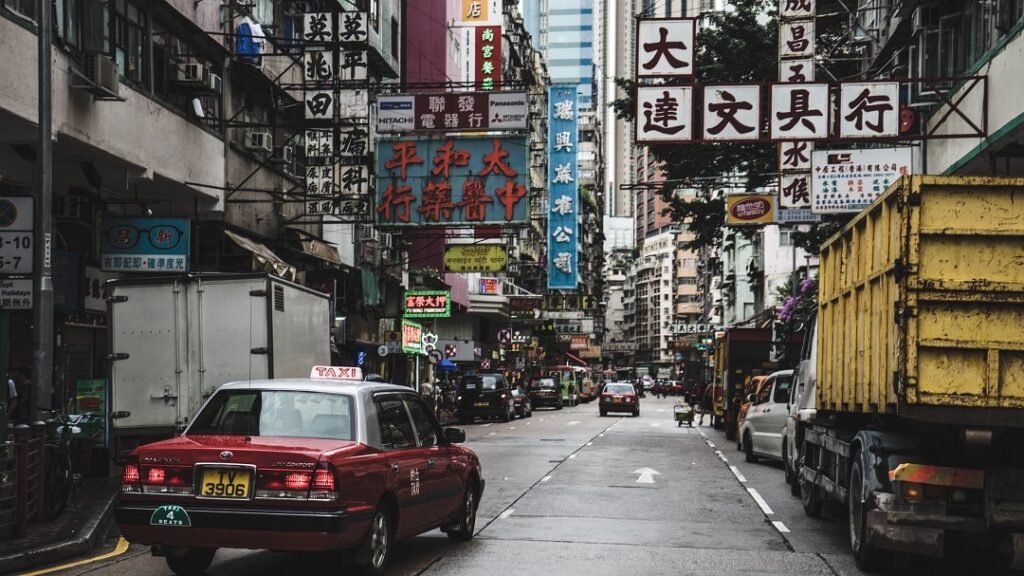
Despite a slight increase in prices, Hong Kong remains surprisingly affordable for tourists. This city is a bustling, multicultural hub that offers a dynamic atmosphere. For those exploring Asia for the first time, it serves as an excellent introduction due to its status as a major international gateway where English is commonly spoken, making it easy to navigate.
What should you anticipate in terms of expenses for a trip to Hong Kong? The answer varies significantly based on your travel preferences. Luxury travelers might find themselves spending more in a single night than what budget-conscious tourists would spend over several days. The following estimates cater to the average traveler and aim to provide a clear idea of what to expect.
- Airfare
- Accommodations
- Budget hotels
- Mid-Range hotels
- Luxury hotels
- Local Transportation
- Attractions
- Food and drink
- Random spending
- Final thoughts
- Is Hong Kong expensive to visit?
- Is Hong Kong cheaper than America?
- How much is a meal in Hong Kong?
| Expenses | Estimated cost |
|---|---|
| Airfare | $1,000 |
| Accommodations | $1,200 |
| Transportation | $100 |
| Food & Drink | $350 |
| Attractions | $200 |
| Random spending | $100 |
The above projections reflect a seven-night stay in U.S. dollars. For local currency conversions, visit xe.com. These estimates are based on a solo traveler’s budget, so if you’re traveling with a companion, consider doubling expenses with the exception of hotel costs.
Airfare
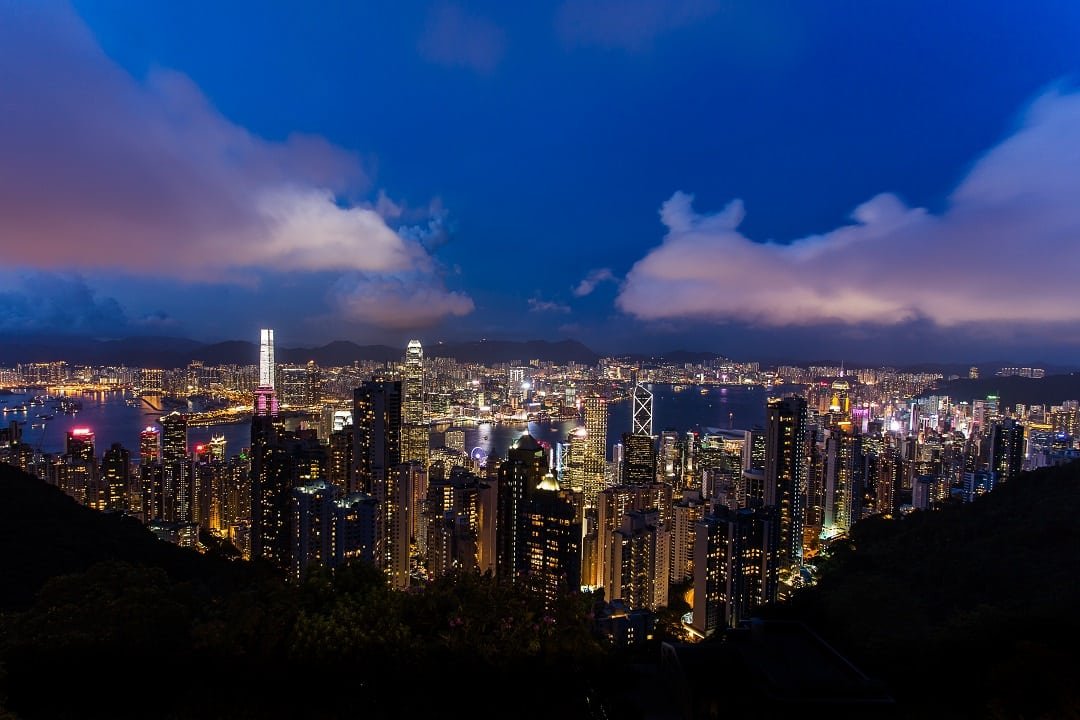
Hong Kong stands as one of the leading international travel hubs, but it can also be a bit costly. Travelers from North America and Europe should account for approximately $1,000 for airfare, while those flying from nearby Asian or Middle Eastern countries typically find lower rates.
Although deals on flights appear occasionally, general fare costs have increased since the pandemic.
Cathay Pacific is the nation’s primary airline, yet various major carriers operate flights to Hong Kong. Once you arrive, taking the Airport Express train to the city is an option, though the bus may prove more convenient depending on your accommodation. It’s advisable to confirm with your hotel or host for the best method of transport.
Accommodations
Your lodging expenses will vary based on your travel habits. On average, mid-range hotels in popular districts cost around $200 per night. Choosing accommodation a bit further afield, like in Sham Shui Po or North Point, can yield even better prices.
My preference leans toward the mainland as it has a distinct character and local culture to enjoy. For a week-long trip, an accommodation budget of approximately $1,200 is a reasonable estimate.
Budget hotels
There is a wealth of budget-friendly hotels throughout Hong Kong. While rooms may be small, you can expect a tidy and comfortable place to rest. Major tourist areas command higher prices, yet staying a bit further out can save significant money and provide larger spaces. It’s essential, however, to ensure you’re near an MTR station to facilitate travel.
Recommended: The Salisbury – YMCA, Mia Casa Hotel, Hilton Garden Inn Hong Kong Mongkok.
Mid-Range hotels
Hong Kong offers a surprisingly robust selection of mid-range accommodations, typically falling within the $150–$200 price range. Prices tend to decrease as you move away from the city center, but ensure that these hotels are near an MTR station for ease of travel.
Recommended: Holiday Inn Express Mongkok, The Cityview, Eaton, Hong Kong.
Luxury hotels
For those willing to indulge, Hong Kong boasts numerous luxury hotels that deliver exceptional service and amenities, usually at rates significantly higher than mid-range options. Nevertheless, my experience at luxury properties in the city has often left me questioning whether the premium cost is justified.
Recommended: Island Shangri-La Hong Kong, The Peninsula Hong Kong, JW Marriott Hotel.
Local Transportation
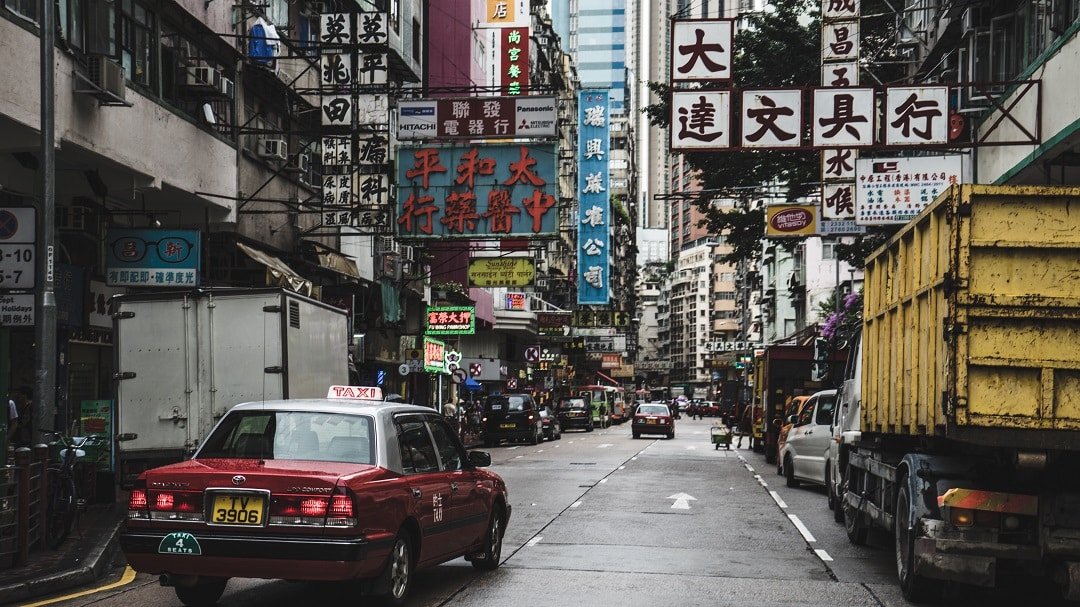
Hong Kong features an outstandingly efficient public transport system, making it simple to traverse the city. English is prevalent (with some variances among taxi drivers), and virtually all transportation signage is available in both English and Chinese. I anticipate spending about $100 on local transport, which includes the potential for a day-trip to Macau and a few taxi rides.
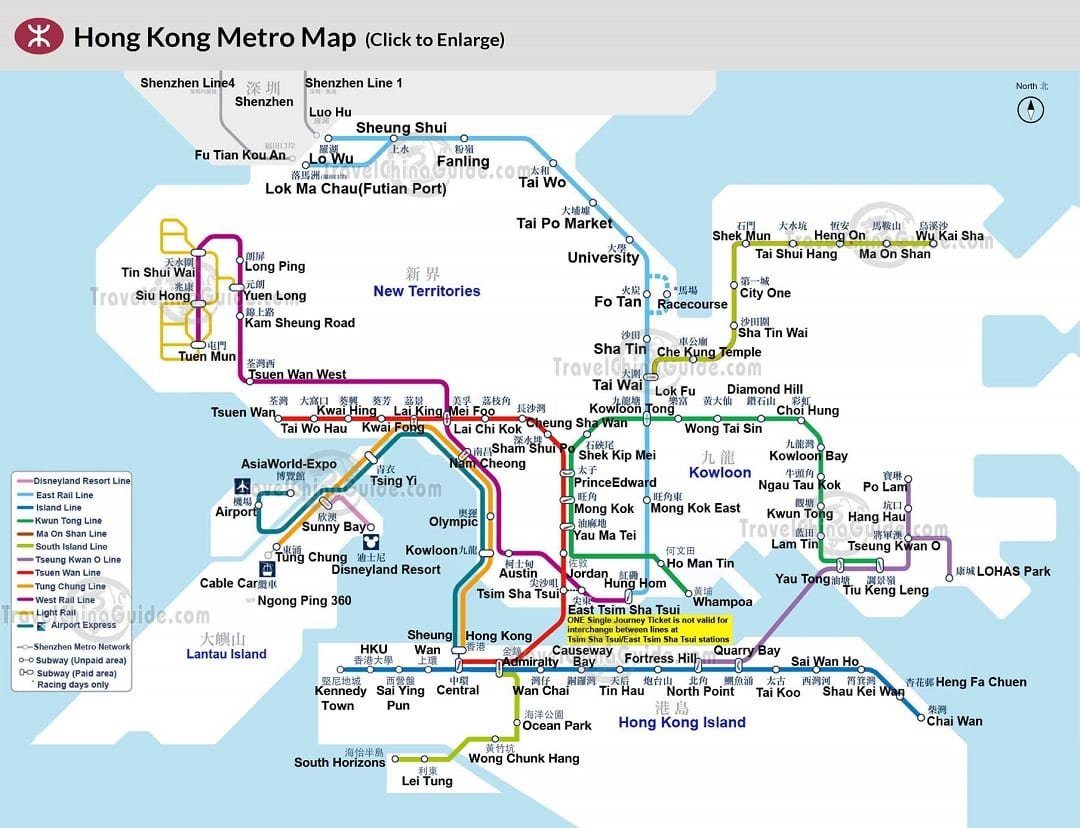
The primary transport modes include the MTR (metro), buses, minibuses, and the iconic Star Ferry. An Airport Express train can transport you from the airport upon arrival. All modes of transit accept a reloadable Octopus card, obtainable at the airport, any MTR station, or most convenience stores, which can also be used for purchasing snacks. This card is also valid in Macau and Shenzhen.
Fares are distance-based yet generally budget-friendly, typically ranging from $1 to $2.50 for most MTR journeys. Even a cross-border train ride to Shenzhen costs approximately $9.
Bus fares tend to be marginally lower, but the MTR is usually the quickest and most straightforward option. Minibuses are prevalent as well, though they may present a learning curve for tourists since their routes can be less intuitive.
Attractions
Hong Kong offers an extensive array of attractions across multiple price ranges, so setting aside around $200 for activities is prudent. Travelers typically engage in two or three paid attractions, but expenses can accumulate quickly if you pursue more.
Top attraction choices include:
- The Peak
- Ngong Ping 360
- Hong Kong Disneyland
- Ocean Park
- Day trip to Macau
- Happy Valley Racecourse
If you’re torn between theme parks, I would recommend Ocean Park for its versatility, though Disney aficionados will inevitably favor Disneyland. The Peak Tram should also be on your itinerary, and visiting Macau is a superb addition.
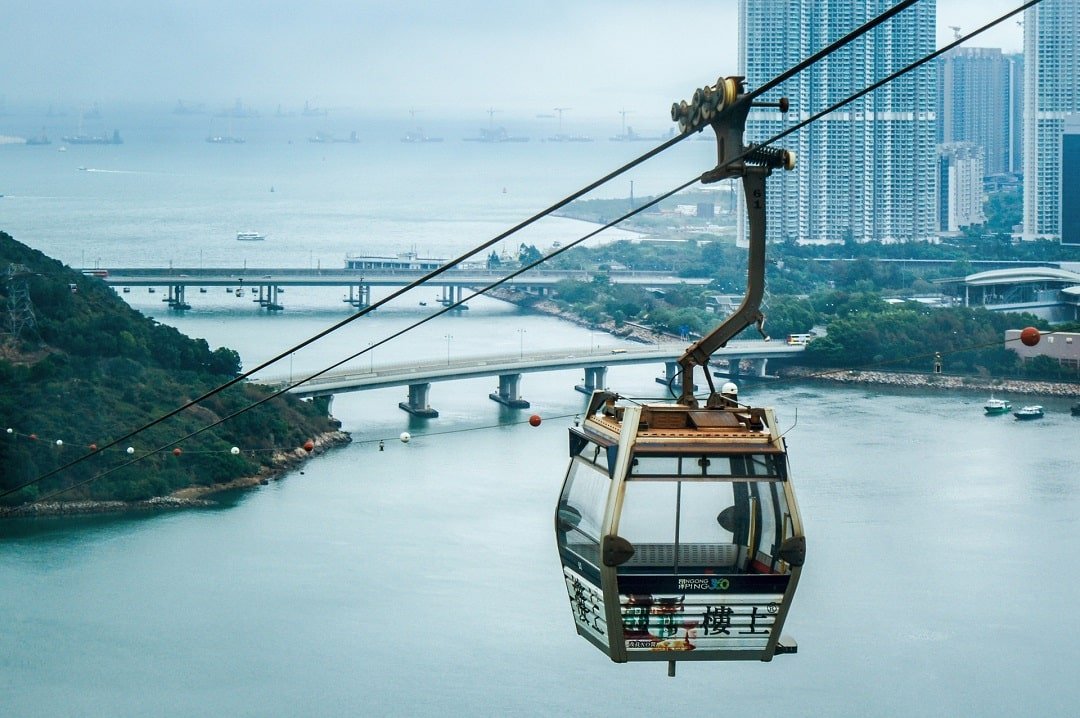
Ngong Ping 360 offers a scenic gondola ride to the Big Buddha over approximately 20 minutes, though it is pricier. For budget-conscious travelers, taking bus #23 from Tung Chung Town Centre for just HK$18 one way is a smart alternative, taking about 45 minutes.
Many of Hong Kong’s highlights—like Avenue of Stars, the Symphony of Lights, local markets, temples, and outlying islands—are completely free, ensuring that much of what makes the city unique doesn’t require spending any money.
Food and drink
Your daily food budget can differ significantly, but here’s a realistic overview of average meal costs, including drinks:
- Breakfast – $10
- Lunch – $15
- Dinner – $20
Please note, these prices generally represent quick-service restaurants or takeaway meals, such as noodle shops, bakeries, and local cafés. Dining at more upscale establishments could easily triple your expenses.
Hong Kong’s food scene can be quite affordable, but plenty of high-end dining options exist for a more lavish experience. A modest breakfast, like a baked bun or noodles with a drink, typically costs around $7. You can find lunches for about $15 at dai pai dong (street stalls) or takeaway dim sum places, which usually include a drink. Dinner is estimated at around $20, with variations based on your choice of venue.
You might find yourself snacking more often than planned—street food and drink stalls are omnipresent. Rather than budgeting for individual meals, around $50 per day for food might be a more realistic strategy.
Random spending
Your shopping expenses are highly personal, but I always set aside a minimum of $100 in this category. If you’re a shopping enthusiast, you might exceed that, but even casual shoppers will be tempted to make purchases due to Hong Kong’s allure.
While markets may be tourist traps, I can rarely leave without buying something, and with abundant malls that double as sightseeing spots, it’s challenging not to acquire a few items. Popular brands such as Muji and Uniqlo are also significantly more affordable in Asia compared to North America.
Final thoughts
So, what is the actual cost of a trip to Hong Kong? Based on these estimates, around USD $3,150 is a practical target. It represents a reasonable investment for experiencing one of the globe’s most thrilling cities—plus, a little splurging in Hong Kong can yield great returns. While it’s possible to save by cutting back in certain areas, such limitations may result in missing key experiences, which in a place like Hong Kong, would not be worthwhile.
For more travel inspirations, explore my guides to Bali, Maldives, Dubai, Tokyo, Singapore, Malaysia, Thailand, and Southeast Asia.
Is Hong Kong expensive to visit?
Hong Kong ranks among the priciest cities globally in terms of living expenses, but for tourists, it offers relative affordability. With various hotel options available, finding accommodations within your budget should be manageable. Food is quite cheap, and the city boasts some of the most affordable Michelin-star restaurants worldwide. Furthermore, many attractions are free, alleviating the need to spend excessively.
Is Hong Kong cheaper than America?
If you’ve read my guides on New York, Orlando, Boston, and Chicago, you’ll quickly recognize that Hong Kong is generally less expensive than America. However, depending on your departure point, flight costs might be high. Ultimately, consider the type of vacation you desire, as Hong Kong presents a very different experience compared to American cities.
How much is a meal in Hong Kong?
Meal prices will vary depending on your dining choice, but spending around 80 Hong Kong Dollars (approximately USD $12) will secure a decent meal at takeaway venues and street markets. Don’t underestimate this; it’s some of the best food available in Hong Kong, with options such as stir-fried noodles, fried rice, and soup noodles. Even in casual restaurants, meal prices remain reasonable. For those looking to dine in more upscale locations, higher costs should be expected.