

When it comes to selecting the top airline credit card in Canada, personal preference plays a significant role, primarily based on your preferred airline. With only two prominent airlines in Canada, many individuals lean towards travel credit cards that accumulate Aeroplan points or WestJet Rewards. Additionally, there are cards that have partnerships with other airlines, allowing you to convert your points to different airline partners.
The critical factor to consider when selecting an airline credit card is alignment with your travel aspirations rather than just focusing on the welcome bonuses or additional perks. Frequently, individuals apply for cards boasting attractive offers, only to find out that the accumulated points have limited redemption options. By concentrating on your travel objectives and often signing up for a few different cards, you can significantly enhance your travel experiences without substantial out-of-pocket expenses.
Top Airline Credit Cards in Canada
| Credit Card | Airline Partners |
|---|---|
| American Express Cobalt Card | Aeroplan, Avios, Delta SkyMiles, Asia Miles |
| American Express Aeroplan Reserve Card | Air Canada + Star Alliance |
| WestJet RBC World Elite Mastercard | WestJet |
| CIBC Aeroplan Visa Infinite Credit Card | Air Canada + Star Alliance |
| TD Aeroplan Visa Infinite Card | Air Canada + Star Alliance |
| Marriott Bonvoy American Express | 40+ airlines |
American Express Cobalt Card

- $15.99 monthly fee ($191.88 yearly)
- 1,250 monthly points with a spend of $750 each month (totaling 15,000 points)
- Earn 5 points for every $1 spent on food and beverages
- Earn 3 points for every $1 spent on streaming services
- Earn 1 point for every $1 spent on all other purchases
- MESSAGE ME FOR A REFERRAL LINK
At first glance, the American Express Cobalt Card may not seem like a typical choice for the best airline credit cards in Canada, but it’s all about the transfer options available. The American Express Membership Rewards program enables you to transfer points to Aeroplan, Avios, Delta SkyMiles, and Asia Miles, with Aeroplan being the most beneficial choice for most Canadians, as it corresponds with Air Canada’s loyalty program and offers a 1:1 transfer ratio.
Analyzing the Cobalt Card’s earning rate reveals how quickly you can accumulate points: it offers 5 Membership Rewards points for every $1 spent on food and drinks, 3 points on streaming services, 2 points for travel and transit purchases, and 1 point on all other spending, outperforming other cards in this category.
I personally appraise 1 Aeroplan point at approximately 1.5 to 2 cents each. This valuation suggests potential returns of 7.5% to 10% on dining expenditures. In essence, this card excels in day-to-day spending, maximizing your earning potential. Alternatively, you can redeem 1,000 points for a $10 statement credit.
Eligibility: No minimum income is necessary, though a credit score of 700 is advisable prior to application.
Welcome bonus: Typically, 1,250 American Express Membership Rewards points can be earned with a monthly spend of $750 for the initial 12 months, totaling up to 15,000 points within the first year.
American Express Aeroplan Reserve Card
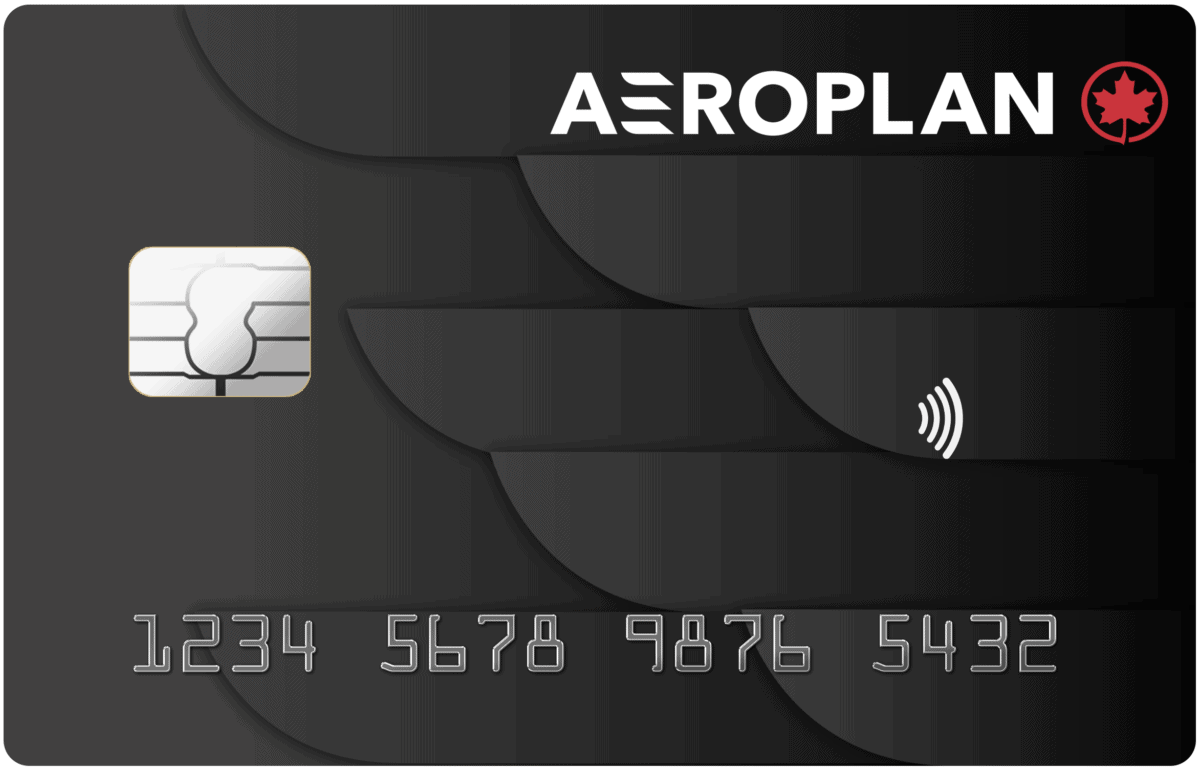
- $599 annual fee
- 60,000 Aeroplan points upon spending $7,500 in first 3 months
- 25,000 Aeroplan points for $2,500 spent in month 13
- Earn 3 Aeroplan points per $1 on Air Canada, 2 points on dining and delivery, and 1.25 points on other purchases
- Unlimited access to Maple Leaf Lounges in North America for you and a guest
- First checked bag free, priority check-in, and boarding on Air Canada flights
- MESSAGE ME FOR A REFERRAL LINK
The American Express Aeroplan Reserve Card is ideal for frequent Air Canada travelers. Despite its $599 annual fee, cardholders enjoy unlimited complimentary access to Maple Leaf Lounges, a free first checked bag, and priority boarding. Additionally, the card offers advantageous rates when redeeming Aeroplan points for flights.
The earning structure includes 3 Aeroplan points per $1 spent on Air Canada purchases, 2 points per dollar on dining, and 1.25 points on all other expenditures. While the American Express Platinum Card provides a similar earning ratio, it offers superior lounge access, making it a preferable option for some, alongside the fact that points can also be transferred to Aeroplan at a 1:1 rate. However, the American Express Aeroplan Reserve Card does provide excellent benefits for Air Canada.
Similar offerings are also found in the CIBC and TD Aeroplan Visa Infinite Cards, which include six complimentary lounge passes to non-Maple Leaf lounges—an added bonus that may appeal to many cardholders.
Eligibility: No income minimum is needed; however, a credit score of at least 700 is advised.
Welcome Bonus: The bonus typically ranges from 80,000 to 120,000 Aeroplan points, contingent on meeting specified spending thresholds.
WestJet RBC World Elite Mastercard
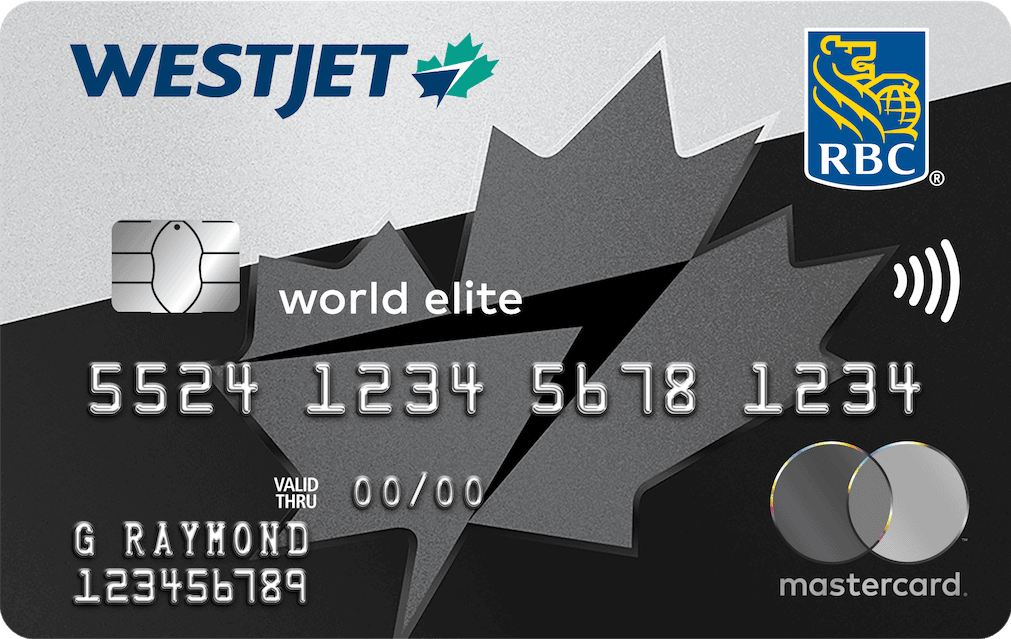
- $119 annual fee
- 25,000 WestJet points after first purchase
- 20,000 WestJet points on spending $5,000 within the first 3 months
- Earn 2 WestJet points for every dollar spent on WestJet, WestJet Vacations, groceries, and fuel
- Earn 1.5 points for every $1 on all other purchases
- Round-trip companion voucher provided annually
- Free first checked bags for the primary cardholder and up to 8 guests on the same reservation
The WestJet RBC World Elite Mastercard stands out as the premier choice for those who favor flying with WestJet. The card offers an appealing welcome bonus in WestJet dollars after your initial purchase, justifying the $119 annual fee. Additionally, you receive an annual companion voucher, which can save you significant money on travel costs when redeeming it. The primary user pays the standard fare while their companion enjoys a lower base fare plus applicable taxes.
The card provides 2% in WestJet dollars on WestJet flights and travel packages, while offering 1.5% on all other expenses. The first checked bag is complimentary for the primary cardholder and travelers listed on the same itinerary (up to 8 bags in total), along with a robust travel insurance package included. For regular WestJet flyers, this credit card is highly recommended!
Although WestJet Rewards may not be regarded as the most advantageous loyalty program, it is straightforward, functioning similarly to a cash-back model. A notable downside is that WestJet dollars are applicable only to base fares, which some believe could potentially involve discounts on base fares or increased transport costs. Hence, redemption options might feel limited.
Eligibility: Minimum personal income of $80,000 or a household income of $150,000.
Welcome bonus: Typically up to 45,000 WestJet points.
CIBC Aeroplan Visa Infinite Card
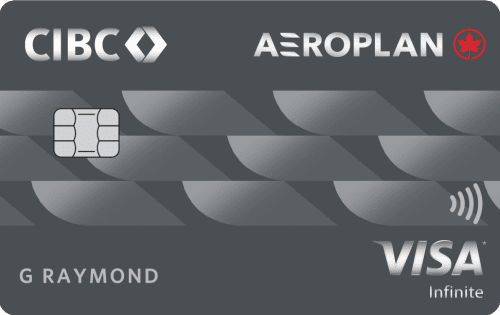
- $139 annual fee – First year waived
- 10,000 Aeroplan points after first purchase
- 20,000 Aeroplan points for spending $6,000 in first 4 months
- 20,000 Aeroplan points for $15,000 spent within the first year
- 1.5 Aeroplan points per $1 spent on groceries, gas, and Air Canada purchases
- 1 Aeroplan point for every $1 spent on everything else
- Free first checked bag on Air Canada journeys
If earning Aeroplan points is your priority, then the CIBC Aeroplan Visa Infinite Card is a suitable option. This card offers 1.5 Aeroplan points per dollar spent on eligible purchases such as grocery, gas, and aircanada.com transactions, and earns 1 point on all other expenditures. One significant Air Canada perk is a complimentary checked bag for both the cardholder and up to 8 traveling companions on the same itinerary. Furthermore, robust travel insurance is also included!
The CIBC Aeroplan Visa Infinite card’s reasonable annual fee and enticing welcome bonus make it a popular choice. Some users opt for this card, in addition to either the TD or American Express Aeroplan Cards, facilitating rapid accumulation of Aeroplan points—potentially reaching about 100,000 points!
Eligibility: Minimum personal income of $80,000 or a household income of $150,000.
Welcome bonus: Usually ranges between 40,000 and 60,000 points, with the initial annual fee of $139 typically waived in the first year.
TD Aeroplan Visa Infinite Card

- $139 annual fee – first year waived
- 10,000 Aeroplan points post-first purchase
- 15,000 more points on spending $7,500 within first 180 days
- 20,000 Aeroplan points on anniversary with $12,000 spent in the first year
- 1.5 Aeroplan points on purchases of gas, groceries, and Air Canada bookings
- 1 Aeroplan point for every dollar spent elsewhere
- First checked bag free on Air Canada flights
TD’s Aeroplan Visa Infinite Card closely resembles the CIBC offering, sharing the same annual fee, benefits, and earning categories. However, differences typically arise in the welcome bonuses, with one often presenting a more appealing value. Furthermore, the annual fee may be waived provided one holds an All-Inclusive Banking Plan with TD or maintains a minimum balance of $5,000 in their account.
Eligibility: Requires a minimum personal income of $60,000 or a household income of $100,000, with a credit score of at least 700 recommended.
Welcome bonus: New cardholders often receive between 40,000 and 70,000 Aeroplan points, segmented into various portions each with different spending criteria.
Marriott Bonvoy American Express Card

- $120 annual fee
- 55,000 Marriott Bonvoy points upon charging $3,000 in the first 3 months (must use a referral link)
- Earn 5 Marriott Bonvoy points per $1 at participating Marriott locations
- Earn 2 Marriott Bonvoy points for every $1 spent elsewhere
- Annual free night certificate worth up to 35,000 points
- MESSAGE ME FOR A REFERRAL LINK
You might question why the Marriott Bonvoy American Express Card is included in the selection of top airline credit cards in Canada. The answer lies in its versatility: Marriott Bonvoy points can be transferred to over 40 airline loyalty programs. Although the transfer ratio is not the most favorable at 3:1 for most airlines, it is excellent for individuals who want to top up their airline miles or who aim to earn points for airlines without dedicated credit cards in Canada.
Moreover, with every 60,000 Marriott Bonvoy points transferred to an airline, you receive an additional 5,000 miles bonus, making it a valuable option. However, transferring points should generally be reserved for topping up to facilitate advantageous redemptions.
This card appeals to those who favor points catering to hotel accommodations, offering a complimentary night certificate valid for up to 35,000 Bonvoy points annually on your account anniversary. Additionally, holding this card grants you Gold Elite status.
Eligibility: There is no specified income threshold, but a credit score of 700 is generally recommended.
Welcome bonus: Generally worth between 50,000 and 75,000 Marriott Bonvoy points contingent on spending $3,000 in the first three months.
Understanding Airline Credit Cards
Airline credit cards fall under the category of travel rewards credit cards. There are predominantly two types of airline credit cards: co-branded airline credit cards, which are affiliated with specific airlines, and general travel rewards credit cards, allowing point transfers to various airline loyalty programs. Grasping the distinctions between the leading airline credit cards in Canada is essential for making an informed choice.
Co-branded Airline Credit Cards
Co-branded airline credit cards represent the official offerings of airlines or their loyalty programs. These cards typically come with airline-specific perks such as free checked bags, priority boarding, and check-in benefits. Additionally, they usually provide higher earning rates on purchases made with the associated airline. Such cards are particularly advantageous for those who frequently fly with a particular airline.
General Travel Points Credit Cards
Several bank-operated travel rewards programs in Canada permit users to transfer their points to multiple airline loyalty programs. This is immensely advantageous as it offers flexibility to transfer points as needed. While this option is beneficial, general travel points credit cards typically lack exclusive airline perks, thus appealing to those who prefer not to be tied to a single airline.
Functioning of Airline Credit Cards
If you choose a co-branded airline credit card, knowing how it operates is crucial. Initially, the application process requires you to provide your airline loyalty number. New members of the loyalty program will receive a distinct membership number. Subsequently, your credit card’s benefits and perks will be linked to that loyalty number, ensuring that airline personnel can readily access associated benefits upon entering your info.
Point Transfers
Any rewards points accrued will be credited to your account when the statement posts, rather than immediately upon purchase. The same applies to welcome bonuses; for instance, if your welcome bonus is 30,000 points after spending $3,000, the points will be posted in the statement following the fulfillment of the spending requirement.
Free Checked Bags
Many co-branded airline credit cards offer the benefit of a complimentary first checked bag. This entitlement does not require any purchases to be made with the card; it solely depends on your cardholder status. Additionally, travelers on the same ticket (up to eight) can usually enjoy the first checked bag free of charge, provided they booked under the same reservation.
Priority Boarding
Several premier airline credit cards in Canada allow for priority boarding, typically resulting in early access to the cabin—often in zones two or three. This advantage is appreciated by many, as it minimizes the difficulty of finding overhead space for carry-on items, a common issue for those boarding later.
Lounge Access
Some of Canada’s top airline credit cards grant access to airport lounges. The types of lounges available depend on the particular card. For example, premium Aeroplan credit cards provide entry to Maple Leaf Lounges, while higher-tier travel rewards cards may offer access to networks like Dragon Pass or Priority Pass.
Companion Vouchers
Select co-branded airline credit cards also offer the option to earn or receive companion vouchers. These vouchers entail considerable savings since the primary cardholder can utilize the voucher for a traveling companion, who will only pay a nominal fee in addition to taxes and fees. Some vouchers are issued immediately, while others necessitate a minimum expenditure before being awarded.
Airline Options in Canada
Canada has a limited airline selection compared to the United States. This scarcity generally results in higher pricing on domestic or cross-border flights. Nonetheless, Canadian airlines maintain routes across the globe through codeshare agreements with other carriers. Ultimately, the choice of airline hinges upon personal travel objectives.
Popular Airline Loyalty Programs in Canada
Most airlines offer their own loyalty program; although there aren’t any exclusive programs limited to Canada, several are notably popular.
- Aeroplan –Air Canada’s loyalty program and the most widely-used in Canada.
- WestJet Rewards –Rather than points, this program awards dollars redeemable for flights or vacation costs.
- Delta SkyMiles –An American program, but valuable for Canadians with Delta connections.
- Avios –British Airways’ loyalty program, which is part of the Oneworld alliance.
- Alaska Miles –Operates in Canada, providing useful options for travelers.
- Asia Miles –Cathay Pacific’s program suitable for Hong Kong travelers.
- VIPorter –Rewards program for frequent Porter flyers, offering points for free flights.
Expiration of Airline Points or Miles
In most cases, yes, airline miles do expire after around two years without account activity. To maintain your miles, ensure some level of engagement within a 24-month period. Regular use of a co-branded credit card, such as Aeroplan, typically safeguards your points from expiration.
Choosing the Right Airline Credit Card
To maximize your airline credit card’s value, select one affiliated with the airline you use most frequently. For instance, consistent Air Canada travelers would benefit from an Aeroplan branded card, while those who generally fly with WestJet may opt for a WestJet card. Conversely, if you fly irregularly or lack loyalty to one particular airline, a general travel credit card permitting flexibility across airlines could be more advantageous.
Application Process for an Airline Credit Card
The procedure for applying for an airline credit card is similar to that of other credit cards, commonly available online. Alternatively, applications can be submitted in person at a branch if available.
- Collect all relevant documents required for the application, including personal details, income, workplace information, and, if needed, your social insurance number (SIN).
- Decide which card you wish to apply for from the aforementioned list, ensuring you meet the requirements. Most credit cards will have credit score and minimum income stipulations. Once you’ve chosen a card, navigate to its application page and click the apply button, or you may visit a bank location directly.
- Fill out the application form as directed. Review the card’s terms and conditions thoroughly before proceeding to officially submit the application, either online or in-person at a banking institution.
- Await approval. Many online applications provide instant decisions, though it may take some time for the physical card to arrive. After it arrives, complete the activation process and start utilizing your new card.
Assessing the Value of Airline Credit Cards in Canada
Airline credit cards can offer substantial benefits for regular flyers tied to a single airline. However, if your travel frequency does not warrant loyalty to an airline or you prefer a broader range of options, a general travel credit card providing more diverse options and additional rewards might be more appropriate.
Frequently Asked Questions
Which is the Best Airline Credit Card?
The ideal airline credit card is one that delivers the most value based on your personal travel habits. Canadians aligned with Air Canada should opt for an Aeroplan card, whereas WestJet flyers would benefit from the WestJet RBC World Elite Mastercard. For those without strong allegiance to a specific airline, the American Express Cobalt Card, with its numerous transfer possibilities, offers significant flexibility when redeeming rewards.
Which Airlines Dominate the Canadian Market?
Canada hosts a select number of significant airlines, alongside a few others that specialize in distinct market segments.
- Air Canada –The largest airline in the country, serving over 200 destinations, with major hubs in cities like Montreal, Toronto, and Calgary. It also runs Air Canada Express and Rouge for regional and vacation services, respectively.
- WestJet – Canada’s second-largest airline, based in Calgary, operating over 750 flights daily, and has expanded into international routes while continuing to cater largely to the domestic market.
- Air Transat – The third-largest, with a fleet of around 30 planes, serving numerous international destinations particularly in Europe and warmer climates during the winter.
- Sunwing – A discount carrier favored for its routes to holiday destinations, operating with a modest fleet of just over 20 planes.
- Porter – Operating from Billy Bishop City Airport in Toronto, this airline mainly serves Eastern Canada and parts of the northeastern U.S. using smaller turboprop planes.
Are There Low-Cost Carriers in Canada?
Although not as competitively priced as low-cost airlines in Asia or Europe, Canada does have a few affordable options.
- Flair – A fast-growing low-cost carrier from Edmonton, presently operating more than 20 planes and expanding its service roster across North America, including some routes into Mexico.
- Lynx – A rebranded airline from Enerjet, with limited existing routes across Canada and a few U.S. destinations.
- Canada Jetlines – The newest ultra-low-cost airline, currently operating two aircraft on five routes including Cancun, Toronto, and Las Vegas, with plans for expansion.
Air Canada Rouge and Porter Airlines are recognized as budget-friendly alternatives, although they’re not as low-cost as the carriers listed above.