

In Canada, many credit cards impose a 2.5% fee on foreign currency purchases. Although this fee may appear minimal, it can accumulate significantly during overseas trips or when purchasing from international merchants online.
Opting for a credit card with no foreign transaction fees can result in considerable savings. If you plan to spend a few thousand dollars abroad or on foreign goods, you could avoid hundreds of dollars in fees. These cards frequently provide extra travel benefits, making them an ideal choice for Canadians who travel internationally or shop globally.
Top No Foreign Transaction Fee Credit Cards in Canada
| Credit Card | Annual Fee |
|---|---|
| Scotiabank Passport Visa Infinite Card | $150 |
| Scotiabank Gold American Express Card | $120 |
| EQ Bank Card | $0 |
| Home Trust Preferred Visa | $0 |
| Wealthsimple Cash Card | $0 |
| Amazon.ca Rewards Mastercard | $0 |
Scotiabank Passport™ Visa Infinite Card

- $150 annual fee
- 40,000 Scene+ points upon spending $2,000 within the first 3 months
- 10,000 points after spending $10,000 in the first half-year
- Earn 3 Scene+ points per $1 at Empire supermarkets
- Earn 2 Scene+ points per $1 on eligible grocery shopping, dining, entertainment, and transit purchases
- Earn 1 Scene+ point per $1 on all other eligible transactions
- Visa Airport Companion Program membership + 6 annual passes
- No foreign transaction fees
The Scotiabank Passport Visa Infinite Card is an excellent option for those who travel frequently and prefer having just one card. It carries an annual fee of $150, yet it generates considerable value through its rewards system and travel features.
Points are accrued at 3 Scene+ points per dollar at Empire-owned stores, 2 points for eligible groceries, dining, and transit, with 1 point for other expenses. Notably, these bonuses apply even for overseas transactions conducted in foreign currencies.
This card’s primary attraction lies in its travel benefits. Cardholders receive a free membership to the Visa Airport Companion Program via DragonPass, providing six complimentary lounge visits yearly. Regular airport lounge access generally costs about US$99 per year plus US$32 for each visit—making this a valuable offering for frequent flyers.
Furthermore, the travel insurance plan accommodates trips up to 31 days, covering medical emergencies, trip cancellations and interruptions, lost luggage, and flight delays. Additional amenities include 24/7 concierge services, entry to the Visa Infinite Hotel Collection with room upgrades and complimentary breakfast, along with membership in the Dining and Wine Country program.
You also gain a free Avis Preferred Plus membership for expedited rental service and vehicle selection. Although Priority Pass membership isn’t included, DragonPass access serves a similar function.
Eligibility: Minimum personal income of $60,000 or a household income of $100,000 or assets of at least $250,000 under management, with a recommended credit score of at least 700.
Welcome bonus: Typically ranges from 35,000 to 50,000 Scene+ points, requiring specific spending thresholds within three and twelve months.
Scotiabank Gold American Express Card

- $120 annual fee
- 30,000 Scene+ points upon spending $2,000 in the first 3 months
- 20,000 Scene+ points after $7,500 spent in the first year
- Earn 6 Scene+ points per $1 at Empire-owned supermarkets
- Earn 5 Scene+ points per $1 at restaurants and on entertainment
- Earn 3 Scene+ points per $1 on gas and public transit
- Earn 1 Scene+ point on all other transactions
- No foreign transaction fees
The Scotiabank Gold American Express Card offers impressive earning rates that compete with leading rewards cards in Canada. With a $120 annual fee, it’s economically sensible while still delivering substantial benefits.
This card excels in its earning potential, with 6 Scene+ points for every dollar spent at Empire supermarkets, 5 for broader grocery, dining, and entertainment purchases, 3 points on gas and public transit, and 1 point for all other purchases.
However, it’s essential to note that while foreign transaction fees are waived, purchases in currencies other than Canadian dollars will only earn the base rate of 1 point per dollar, meaning the bonus categories do not apply for international spending.
Additionally, a comprehensive travel insurance package protects trips up to 25 days, covering emergency medical incidents, trip cancellations and interruptions, lost or delayed luggage, as well as rental vehicle insurance. Mobile device insurance also protects phones or tablets purchased with the card against damage or theft.
Lounge access is available, but unlike the Passport card, complimentary visits are not offered; fees will apply per visit or for separate memberships.
Eligibility: There is no income requirement, but a credit score of at least 700 is recommended.
Welcome bonus: Generally worth between 40,000 and 60,000 Scene+ points, dependent on meeting specific spending targets.
EQ Bank Card

- $20 referral bonus (must fund account with $100 within 30 days)
- No monthly fees
- 0.5% cash back on all spending
- Free ATM withdrawals throughout Canada
- No foreign transaction fees
- Earn 2.50% interest on loaded funds until spent
The EQ Bank Card operates as a prepaid card offering unique advantages for travelers. It has no annual fee and provides 0.5% cash back on all expenses, regardless of currency.
What sets this card apart is that the balance loaded earns competitive interest. Your funds can grow even when not in use, which is rare for prepaid cards.
Another highlight is its ATM policy—no foreign transaction fees apply for cash withdrawals abroad. Furthermore, EQ Bank reimburses ATM charges from other Canadian financial institutions. That said, one-time fees imposed by foreign ATM operators are not included.
This policy grants travelers more flexibility; rather than pre-buying currency, you can withdraw local currency as required. You can send yourself an e-transfer to add funds while traveling.
Being a prepaid card, you can only spend what you’ve loaded, assisting with budgeting and preventing overspending. No credit check or income verification is necessary to acquire this card, making it accessible for most individuals.
Eligibility: Must hold an EQ Bank account; no income or credit history needed.
Welcome bonus: A $20 cash bonus is available upon registration via a referral link and funding your account with $100 within the first month.
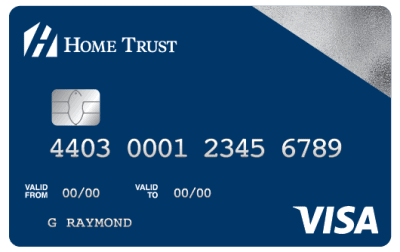
Home Trust Preferred Visa Card
- No annual fee
- No foreign transaction fees
- 1% cash back on Canadian transactions
- Purchase protection included
The Home Trust Preferred Visa Card takes a straightforward approach with no annual fee and no foreign currency transaction fees. It offers a 1% cash back advantage on purchases made in Canada, although this does not extend to foreign-currency purchases.
Unlike a prepaid card, this acts like a standard credit card. Cardholders do not need to load funds in advance, as the credit line is determined by creditworthiness, offering greater convenience for those who qualify.
Additional advantages beyond the absence of foreign transaction charges are minimal. It provides purchase security for 90 days against theft, loss, or damage, but does not offer travel insurance, lounge access, or concierge help.
One note of caution: customer service has been known to block international transactions for security—be sure to notify your provider of any travel plans to avoid declined transactions.
Eligibility: No minimum income is required, but a credit score of at least 660 is advised.
Welcome bonus: None available.
Wealthsimple Cash Card
- No annual fee
- Up to $3,000 welcome bonus
- 1% cash back in cash, stocks, or cryptocurrency on all transactions
- 4% interest on funds deposited
- No foreign transaction fees for purchases or ATM withdrawals
- CDIC insurance protection
The Wealthsimple Cash Card is another prepaid option lacking foreign transaction fees. All transactions yield a 1% return in cash, stock, or crypto, and funds loaded onto the card accrue interest, ensuring your balance grows even when not utilized.
As a no-fee prepaid card, there are no additional benefits beyond those mentioned. The primary advantages are cash back and zero foreign transaction fees on both purchases and ATM withdrawals. However, foreign ATM operators may still impose their own one-time fees, and transactions can only be up to $500 CAD each, with a daily withdrawal cap of $1,000 CAD.
This card shares similarities with the EQ Bank Card, yet many users favor the EQ option due to its $20 sign-up bonus via referral links. Conversely, Wealthsimple offers a higher rate for cash back and savings interest.
Eligibility: An account with Wealthsimple Cash is necessary; however, no specific income or credit history is required.
Welcome bonus: Varies up to $3,000.
Amazon.ca Rewards Mastercard
- No annual fee
- $50 Amazon gift card upon sign-up
- 5% cash back at Amazon.ca, grocery stores, and restaurants for your first six months
- 2.5% back at Amazon.ca, Whole Foods Market, and foreign currency transactions
- 1% back on all other expenditures
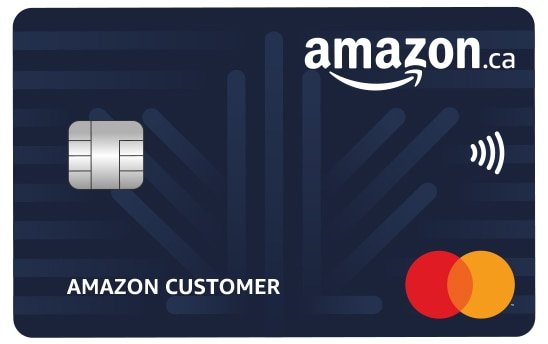
The Amazon.ca Rewards Mastercard is a notable option for Canadians seeking credit cards with no foreign transaction fees, albeit it’s not as widely recognized. Cardholders earn 2.5% back at Amazon.ca, Whole Foods, and for foreign transactions, while other purchases earn 1% back. However, you must hold an Amazon Prime membership to receive the enhanced cash back rate; non-members earn lower rates.
Cash back is credited in the form of a $20 Amazon.ca gift card once 2,000 points are accrued. Other perks include discounts on rentals with Avis and Budget, purchase protection, extended warranties, and zero liability for unauthorized purchases.
The card is best suited for avid Amazon shoppers who are Prime members. Fortunately, there are no associated annual fees.
Eligibility: Amazon Prime membership is necessary for increased earning rates; there is no publicly listed minimum income or credit score requirement.
Welcome bonus: A $35 Amazon.ca gift card is provided upon approval.
Understanding Foreign Transaction Fees
When purchases are made in any currency apart from Canadian dollars, extra charges are added to the exchange rate. This applies to all international transactions, including online purchases in U.S. dollars.
Even while buying from a Canadian retailer, paying in foreign currency may invoke these charges. Since the fee is implicitly included in the exchange rate, it may be hard to detect on your credit card statements.
Fees from Your Card Provider
Credit card issuers generally attach a fee of 2.5% for foreign transactions, although some may charge up to 3.5%, depending on the card type.
The implications of these fees for your expenditures are as follows:
- $1,000 in foreign purchases equates to $25 to $35 in fees.
- $2,000 in foreign purchases results in $50 to $70 in fees.
- $5,000 in foreign purchases leads to $125 to $175 in fees.
These currency conversion fees accumulate rapidly, particularly for frequent travelers or those who shop online internationally.
Payment Network Charges
Visa, Mastercard, and American Express impose nominal fees for currency conversion, though these fees are generally lower than those from the card provider.
Payment networks apply slightly varying exchange rates than those officially available through financial institutions. For instance, when converting 1 CAD to USD, here are the differences:
- Official exchange rate: 0.77118
- Visa exchange rate: 0.77333
- Mastercard exchange rate: 0.77255
Mastercard generally provides slightly better rates than Visa, though the variation is not significant in practical terms. American Express has comparable rates but does not publicly list them.
For current conversion rates, you can visit xe.com, as well as the websites of Visa and Mastercard. Understanding these fees enables you to estimate the actual costs associated with foreign currency transactions.
Calculation of Foreign Transaction Fees
Foreign transaction fees are determined by your credit card issuer and are typically outlined in your cardholder agreement. The fee structure includes two major elements: the currency conversion charge and the exchange rate applied by the network.
When processing international transactions, Visa and Mastercard each utilize their exchange rates. These rates differ from the mid-market rate, which reflects the genuine wholesale price between currencies. The discrepancy between your payment and the mid-market rate contributes to the total cost of your foreign transaction.
Exchange rates fluctuate according to market dynamics, influenced by economic shifts, political stability, and supply-demand trends for specific currencies. Your card issuer employs the rate effective at the time of processing, not necessarily at the moment of purchase.
Most Canadian credit cards apply a 2.5% fee on top of the exchange rate used for currency conversion, with some cards setting this charge between 1% and 3%.
Should I Pay in Local Currency or CAD?
While shopping abroad, merchants may present an option to pay in local currency or Canadian dollars through dynamic currency conversion. It is always advisable to choose the local currency option. By doing so, your credit card issuer will handle the transaction conversion using their exchange rate, typically more competitive than the merchant’s rate.
Opting to pay in CAD means accepting the merchant’s exchange rate, which generally carries a markup. The extra cost fluctuates by processor but tends to exceed the rate used by your card provider. Even if you possess a card without foreign transaction fees, paying in local currency remains the preferable choice, evading inflated merchant conversion rates.
Credit cards that do not charge foreign exchange fees amplify this benefit. They provide favorable exchange rates without additional percentage surcharges, enhancing your purchasing ability abroad.
Do Foreign Transaction Fees Apply to ATMs?
Using a credit card for ATM withdrawals abroad triggers a cash advance, resulting in immediate interest charges exceeding 22%. Additionally, this action incurs a foreign transaction fee, and the ATM operator may impose a service fee, making traditional credit cards ill-suited for international cash withdrawals.
Prepaid cards offer a more cost-effective option. Cards such as the Wealthsimple Cash Card and EQ Bank Card operate similarly to debit cards, as they do not incur foreign transaction fees or high interest charges for ATM withdrawals abroad. They provide the means to access cash without the blended costs linked with credit card advances.
Standard debit cards are not ideal, either. Banks typically apply foreign transaction fees ranging from 2.5% to 3.5% for debit card use at international ATMs, where both your bank and the ATM provider may apply one-time fees.
Is a No Foreign Transaction Fee Credit Card Beneficial?
Acquiring a credit card without foreign transaction fees is highly recommended to avoid unnecessary charges on international expenditures. Most cards impose a 2.5% fee on foreign currency transactions, which accumulates rapidly when you travel or make international purchases online.
Consider this scenario: spending $4,000 while traveling abroad with a card that includes foreign transaction fees leads to an additional $100 in fees alone. That amount could cover a fabulous dinner or another enjoyable activity during your trip.
Several credit cards waive these fees completely, allowing you to select one that aligns with your spending habits. Using a no foreign transaction fee card, even sporadically during the year, provides savings each time you avoid these charges. Given the myriad alternatives available, there is little reason to incur extra costs.
The savings become even more evident for frequent travelers or regular shoppers at international retailers. Opting for a card free from foreign transaction fees is a financially sound strategy for anyone who makes purchases in currencies other than Canadian dollars.
How to Choose a Credit Card Without Foreign Transaction Fees
When evaluating credit cards, assess several elements to help pinpoint the best match for your requirements.
Determine if you prefer a no-fee card or are content to pay an annual fee for premium features. Cards with annual fees often serve up added perks like airport lounge access, rental car discounts, or travel insurance.
Key factors to consider:
- Features: Examine additional benefits, such as travel insurance or car rental coverage that are important to you.
- ATM withdrawal fees: Some cards could waive fees when accessing cash overseas.
- Rewards structure: Certain cards offer cash back that can counterbalance other costs, while others simply prohibit foreign transaction fees.
- Welcome bonuses: New cardholders might receive promotional benefits worth consideration.
- Purchase APR: Review the interest rate if you plan to carry a balance.
Your spending patterns and travel frequency should steer your choice. A card with an annual fee might yield greater value if you travel regularly and make use of the associated perks.
Common Questions
Are refunds available for foreign transaction fees?
Typically, once charged, foreign transaction fees are non-refundable. These fees become part of the purchase total and process instantly with your transaction.
Should you spot an incorrect charge on your statement, you may reach out to your card issuer to challenge it. Provide thorough transaction details and explain your reasoning. The issuer will investigate and may credit your account if an error is confirmed.
The best strategy is to avoid these fees upfront by using a card that does not impose them. Preventing these charges saves you time and effort in seeking possibly elusive refunds.
What Distinguishes US Dollar Cards from No-FX-Fee Cards?
US dollar credit cards serve a different purpose from no foreign transaction fee cards. A USD card charges your purchases in American currency, which you pay from a US dollar account.
In contrast, no foreign transaction fee cards charge CAD but do not apply the usual 2.5% conversion fee. You still transact in CAD, but the exchange rate is applied without added costs.
US Dollar Cards:
- Require a US dollar account for payments
- Best for frequent US visitors
- Avoid conversion fees only for USD purchases
- Still impose fees for other currencies
No Foreign Transaction Fee Cards:
- Charge in Canadian dollars
- Applicable to all foreign currencies
- No additional accounts necessary
- Apply exchange rates without added costs
For those who travel mainly to the U.S. and maintain USD accounts, a US dollar card may be appropriate. Conversely, a no-fee card grants greater versatility for global travel or diverse currency engagement.
What Alternatives Exist Beyond No-FX-Fee Cards?
Prepaid travel cards are another option for managing overseas currency costs. These cards are preloaded with funds before travel and utilized like debit cards abroad. Many impose lower fees than traditional cards, yet they might have associated loading and ATM withdrawal fees.
Digital payment services and mobile wallets can sometimes offer competitive exchange rates, although their acceptance varies significantly by location and vendor, limiting their usability as the only payment option.
Other alternatives include:
- Multi-currency prepaid cards
- Online payment services with international features
- Traveller’s cheques (largely outdated)
- Cash withdrawn from low-fee bank accounts
Each alternative presents trade-offs in cost, security, and accessibility. Generally, no foreign transaction fee credit cards provide the optimal combination of convenience, protection, and value for most travelers. They function wherever credit cards are accepted and require no prior planning for currency or funds.