
Choosing the top prepaid credit cards in Canada is quite subjective. Individuals have varied reasons for seeking prepaid credit cards. Some users aim to boost their credit score, while others are interested in hybrid cards that enable them to load funds in advance while still benefiting from rewards associated with credit card networks.
While prepaid credit cards typically don’t offer the same level of rewards as the best travel credit cards in Canada, they eliminate concerns about generating high income or accruing interest charges since users can only spend what they have preloaded. Below are my top recommendations for the best prepaid credit cards in Canada, along with unique attributes that set them apart.
Top Prepaid Credit Cards in Canada
| Card | Best for |
|---|---|
| KOHO | Daily expenditures |
| Wealthsimple Cash | International transactions |
| CIBC AC Conversion Card | Multiple currencies |
KOHO
Apply Now
- Annual fee waived
- Receive $20 for free using a referral link
- Earn cash-back up to 5%
- 1% cash back on grocery and transportation expenditures
- 0.5% interest on savings and spending when direct deposit is set up
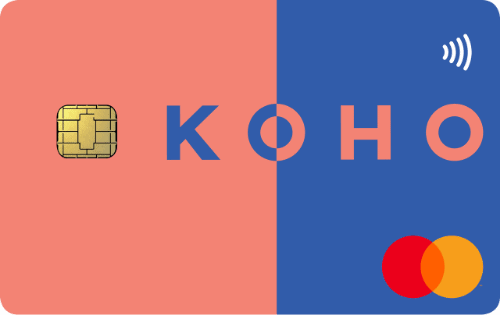
While KOHO functions on the Mastercard system, it’s important to note that it doesn’t operate as a conventional credit card. You can use your KOHO card wherever Mastercard is accepted, but your spending history is not reported to credit bureaus, thus it won’t impact your credit score.
Why do users choose KOHO? Primarily, you’ll receive a complimentary $20 when using my KOHO referral code, CASHMONEY. Additionally, many appreciate KOHO for its ability to promote responsible spending. Since you’re limited to your preloaded amount, it helps you manage expenditures, and the detailed activity reports allow you to evaluate your spending habits effectively. Plus, you earn 0.5% cash back on all purchases at various retailers.
Some individuals utilize the KOHO prepaid Mastercard similarly to a bank account. With features like direct deposit for their income and Interac e-transfers, it acts as a convenient financial tool. If you set up direct deposit, the account yields a competitive interest rate of 1.2%.
Moreover, KOHO offers a Premium service for $9 monthly or $84 annually, which provides additional advantages such as enhanced cash-back rates, no foreign transaction fees, financial coaching, and price matching.
Wealthsimple Cash Card
Apply Now
- No annual fee
- Up to $3,000 welcome bonus
- 1% cash back on all purchases, redeemable in cash, stocks, or crypto
- 4% interest on deposited funds
- No foreign transaction fees for purchases or ATM withdrawals
- CDIC insurance protection
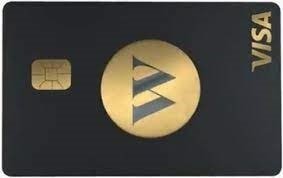
While it might seem peculiar to find two prepaid cards with no foreign transaction fees among the best prepaid credit cards in Canada, they both deserve recognition due to their comparable benefits. However, I personally favor the Wealthsimple Cash Card for its straightforward offerings. This card truly has no foreign transaction fees and does not involve hidden charges, although ATM operators may impose their own fees per withdrawal, typically around $3. As a prepaid Visa card, it requires preloading funds prior to usage, making it a solid option among the best travel credit cards in Canada.
No monthly or annual fees are associated with this card, making it a risk-free addition to your wallet. It’s also compatible with digital payment platforms like Apple Pay and Google Pay, along with the benefit of earning 1% cash back on all purchases.
CIBC AC Conversion Card
- No annual fees
- No loading or conversion fees
- Ability to load up to 10 different currencies without fees
- 1% cash back on all eligible purchases (until October 31, 2023)
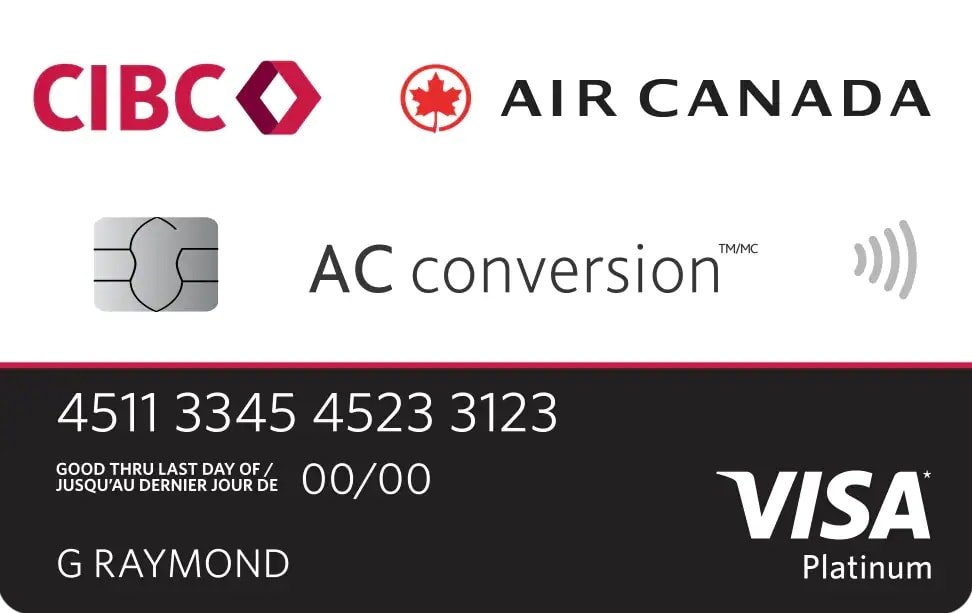
The CIBC AC Conversion Card is specifically designed for globetrotters, allowing users to load multiple currencies, making it highly convenient for those visiting various countries. Interestingly, the exchange rates provided for this card are generally lower than those available at CIBC branches, as the card aims to minimize operational costs.
The currencies supported include:
- Canadian Dollar (CAD)
- US Dollar (USD)
- Euro (EUR)
- Pound Sterling (GBP)
- Mexican Peso (MXN)
- Hong Kong Dollar (HKD)
- Australian Dollar (AUD)
- Japanese Yen (JPY)
- Turkish Lira (TRY)
- Swiss Franc (CHF)
By signing up through my exclusive referral link, you can receive an additional $20 for free. Furthermore, this card allows you to earn 1% cash back on every purchase made. However, the card has one limitation: users are allowed only one free international ATM transaction each month, which can be a downside for many travelers who combine cash and credit card usage.
Understanding Prepaid Credit Cards
The term prepaid credit card can be misleading. Unlike traditional credit cards, prepaid options do not provide access to credit lines; rather, they require you to prepay the amount you wish to spend. Essentially, they function similarly to debit cards but offer the flexibility of credit card networks like American Express, Visa, and Mastercard.
Because these cards do not offer credit, they don’t contribute to building your credit score. However, certain prepaid cards can link to services that report your payment history. To genuinely enhance your credit score, utilizing traditional credit cards is your best option.
Benefits of Prepaid Credit Cards
Interestingly, many of the top prepaid credit cards in Canada do offer some benefits, though they won’t compare to the perks of the most rewarding travel credit cards in Canada.
Common benefits provided by prepaid cards include:
- Cash-back options –Some cards reward users with cash back on every purchase, or offer higher rates for specific purchases.
- No foreign transaction fees –A good number of traditional credit cards impose a 2.5% foreign transaction fee, while some prepaid options waive this fee entirely for purchases and ATM withdrawals.
- Spending insights –Particular prepaid cards come with an app to help track your expenditures.
- Welcome bonuses –Some prepaid cards provide signing bonuses upon registration and can offer extra bonuses for referrals.
How Prepaid Cards Function
Prepaid cards operate similarly to debit cards, allowing only the use of funds that have been loaded onto them beforehand. Depending on the card, they can be used wherever Visa, Mastercard, or American Express are accepted.
There are two varieties of prepaid cards:
- Fixed amount prepaid cards –These are often akin to gift cards, either for specific merchants or general prepaid cards that function on the major networks.
- Reloadable prepaid cards –These start at a zero balance and can be funded by the user as needed, allowing for personal use.
Costs Associated with Prepaid Cards
The fees associated with prepaid cards can vary. Gift cards, also known as closed-loop cards, tend to have no associated fees, while reloadable cards—open-loop cards—can carry several potential fees.
Be on the lookout for these fees when considering a prepaid credit card:
- Activation fee –Some cards require payment upon activation.
- Monthly fee –Certain cards may charge a recurring fee for maintenance, although some offer optional premium services.
- Inactivity fee –If not used within a certain time frame, some cards apply inactivity fees.
- Loading fees –Costs can arise based on the method used to fund the card, whether online, via e-transfer, or in-store.
- Foreign transaction fees –Expect to incur a 2.5% to 3% fee for purchases in currencies other than Canadian dollars.
- Bill payment fees –Some prepaid cards charge for funds used to pay bills through their platform.
- ATM fees –Withdrawal transactions often incur fees, both from the card issuer and ATM operator.
- Replacement fee –If your card is lost or damaged, you may have to pay for a replacement.
While these fees can accumulate, certain cards like KOHO and STACK maintain minimal fees. More expensive prepaid cards are typically sold in grocery stores or gas stations.
Safety of Prepaid Cards
Prepaid cards can be secure, but safety largely depends on the specific card and individual definitions of security. For instance, cards linked to fintech companies like KOHO and STACK often offer bank partnerships, securing your funds should those companies face bankruptcy. They also utilize chip and PIN technology, adding another layer of security, and allow users to freeze their card via an app if misplaced.
Conversely, general reloadable credit cards and gift cards tend to have limited protection. Losing a gift card often results in total loss. Some reloadable cards may lack notable security features, making them susceptible to fraud.
While some prepaid options offer Mastercard and Visa zero liability coverage for unauthorized transactions, the success in contesting a case cannot be guaranteed.
Factors to Consider When Selecting a Prepaid Credit Card
Even with a limited selection of prepaid cards available, it’s prudent to avoid hasty decisions. Evaluating the features that align with your needs will help narrow your options. Key factors to consider include:
- Fees –While some prepaid cards charge minimal or no fees, others have extensive fee structures. Carefully read the terms to stay informed about potential monthly, inactivity, loading, and foreign transaction fees.
- Company reputation –Numerous fintech companies provide prepaid cards loaded with app features. Research customer experiences and app reviews before committing.
- Card network –Prepaid cards are affiliated with specific credit card networks. If you commonly shop at a merchant accepting only Mastercard, avoid opting for a prepaid Visa or American Express.
- Sign-up bonuses –Some cards provide a welcome bonus when you sign up using a referral link. Look into current promotions and requirements for acquiring the bonus.
- Rewards –Though not all prepaid cards offer perks, some provide a flat cash-back rate for all spending, while others may boost rewards for particular merchants.
- Funding options –Since preloading is essential, ensure the card allows for easy deposits and be aware of any associated fees.
- Spending options –Assess whether the card lets you use your funds in ways other than purchasing, such as for bill payments or ATM withdrawals.
- Limits on loading/spending –Some cards impose limits on maximum loads and daily purchases, affecting your card usability.
- Security features –Ensure that the card has solid protection measures in place, as preloaded funds require safeguarding.
Different Types of Prepaid Cards
You’ve learned that various types of prepaid cards serve different user needs, which can influence how funds are loaded and utilized.
Prepaid Mastercards
Many fintech prepaid cards operate through the Mastercard system. This option is preferable for many Canadians since retailers like No Frills and Costco exclusively accept Mastercard for in-person transactions.
Prepaid Visa Cards
Prepaid Visa cards are usable at any merchant in the Visa network, valid for in-person, online, and international spending. They are generally available at gas stations, grocery stores, and pharmacies.
Prepaid American Express Cards
Prepaid American Express cards are less common than Visa or Mastercard options, but that doesn’t mean they’re non-existent. These cards are sold directly to consumers and can only be used at merchants that accept American Express.
Prepaid Foreign Currency Cards
Some prepaid credit cards cater to travelers interested in holding several currencies on a single card, such as the CIBC AC Conversion Card. The clear advantage is being able to travel without juggling cash in various currencies while taking advantage of favorable rates.
Gift Cards
Gift cards are preloaded amounts intended for specific retailers or groups of businesses, lacking affiliations with credit networks like Visa, Mastercard, or American Express. Conversely, prepaid options like Mastercard, Visa, or American Express provide more flexibility in usage.
Pros and Cons of Prepaid Credit Cards
When evaluating one of the top prepaid cards in Canada, it’s essential to weigh the pros and cons. Remember that the specifics can vary from card to card, but here’s a general overview:
Pros of Prepaid Credit Cards
- Controlled spending –Since users can only spend what is loaded, there’s reduced risk of overspending and incurring interest charges.
- No annual fees –Many prepaid cards come with no or low annual costs.
- Access to credit networks –Even those with poor credit can utilize prepaid cards across major networks like Visa, Mastercard, and American Express.
- Basic rewards –Some reloadable cards offered by fintech businesses enable users to earn cash-back rewards.
Cons of Prepaid Credit Cards
- No impact on credit score –Most prepaid cards do not help build your credit rating.
- Limited rewards –While traditional credit cards offer significant welcome bonuses, prepaid card offers tend to be modest.
- Minimal earning potential –Prepaid cards generally offer lower earn rates compared to promotional rates provided by select merchants.
- Less extensive benefits –Prepaid cards offer fewer incentives compared to regular credit cards that may include travel insurance or concierge services.
Reasons to Consider a Prepaid Credit Card in Canada
If the leading prepaid cards in Canada provide fewer advantages than traditional credit cards, why do individuals opt for them? As mentioned previously, some users might not have other options if they have lower credit scores. For those without access to conventional credit, prepaid cards can be a viable alternative for making purchases while using credit networks. If you’re unsure of your credit score, you can check your score for free through Borrowell.
Another appeal of prepaid credit cards is the control they enforce on spending. Since you only use what you’ve loaded, you eliminate the risk of accumulating debt and incurring interest charges. This can be particularly useful for managing personal finances, as many individuals tend to spend less when they know they have a limited balance. With traditional credit cards, higher limits can lead to overspending beyond one’s means.
How to Obtain a Prepaid Credit Card
Obtaining a prepaid credit card is typically simpler than securing a standard credit card. If you’re applying for a fintech prepaid card, requirements generally include reaching the age of majority in your province as well as Canadian residency. Gift cards or generic prepaid options often have no prerequisites.
Here are ways to acquire a prepaid card:
In-Person Purchases
The fastest method to obtain a prepaid card or gift card is through in-store purchases. Gas stations, grocery stores, and pharmacies frequently offer a variety of options. Many of these gift cards come in fixed amounts, such as $50, $100, or $250. You can also find network-specific prepaid credit cards for broader usage.
Online Applications
Fintech cards like KOHO and STACK necessitate online applications for registration. After applying, a physical card is mailed to you, and you’ll need to install a corresponding app to access perks and spending insights. It is also possible to purchase digital gift cards online.
Through Financial Institutions
Some banks and credit unions still offer prepaid credit cards within their branches. Nonetheless, many have phased out these offerings. For ease and convenience, acquiring a prepaid card online is generally the best option.
Are Prepaid Credit Cards a Worthwhile Investment?
This ultimately depends on your unique needs. The best prepaid credit cards in Canada have proven to be highly useful in recent times, offering spending tracking via apps and benefits like cash back and no foreign transaction fees. If you seek to manage your spending effectively, prepaid cards can be ideal, as they allow you only to spend what you’ve already deposited.
While traditional credit cards provide more extensive advantages, prepaid credit cards still play a significant role in many individuals’ financial strategies.