
As travel expenses continue to rise, selecting one of Canada’s top travel credit cards for 2026 is increasingly important. The ideal card allows you to earn points or miles on your regular purchases, which can significantly lower the costs of flights, accommodations, vacation packages, and other travel-related expenses.
In this revised selection, I have curated recommendations based solely on my personal experiences with these cards over the past few years. Each recommendation stems from practical use, rather than mere speculation.
It’s important to note that my suggestion isn’t to apply for all the cards listed here. However, applying for a couple over the span of a year can yield substantial rewards. This strategy enabled me to fly Emirates First Class from Dubai to Toronto and EVA Air Business Class from Toronto to Taipei for under $140 CAD each.
The essential factor is that the “best” travel credit card is subjective and varies based on your personal travel goals. If you’re aiming for an economy business-class ticket, certain cards will suit you better than others. Conversely, if your priority is on hotel stays, you’ll want to look at different options.
| Credit card | Top travel card for |
|---|---|
| American Express Platinum Card | Luxury travel benefits |
| American Express Cobalt Card | Daily spending |
| American Express Business Gold Rewards Card | Signup bonuses |
| Scotiabank Passport Visa Infinite Card | Comprehensive travel |
| TD Aeroplan Visa Infinite Card | Aeroplan benefits |
| TD Aeroplan Visa Infinite Privilege Card | Exclusive Air Canada perks |
| WestJet RBC World Elite Mastercard | For WestJet passengers |
| Marriott Bonvoy American Express Card | Hotel accommodations |
| CIBC Aeroplan Visa Card | No annual fee |
| EQ Bank Card | No foreign transaction fees |
Ideal travel card for luxury or frequent travelers
American Express Platinum Card
- $799 annual fee
- Earn 90,000 Membership Rewards points with a referral link upon spending $10,000 in the first 3 months
- 50,000 extra points for purchases in months 15 – 17
- 2 points per $1 on travel and dining, 1 point elsewhere
- $200 annual travel credit
- $200 annual dining credit (calendar year)
- Unlimited access to airport lounges
- MESSAGE ME FOR A REFERRAL LINK
If you prioritize luxury travel or seek premium benefits, the American Express Platinum Card is a top contender in Canada. The principal cardholder and a guest receive unlimited access to the American Express Global Lounge Collection, along with automatic upgrades at both Marriott Bonvoy and Hilton Honors. Additional perks include a rebate on your NEXUS application and extensive travel insurance, encompassing medical and trip cancellation coverage.
While the $799 annual fee is considerable, it can effectively be reduced to $399 thanks to a $200 dining credit and a $200 travel credit at selected restaurants—totaling up to $400 in credits during your first year.
The welcome bonus is a significant motivator as well. Utilizing a referral link, you can expect an offer typically worth over 100,000 American Express Membership Rewards points, evaluating to a minimum of $1,000. If you transfer these points to Aeroplan at a 1:1 ratio, their value can shoot up to 1.5X, making the welcome offer near $1,500.
For avid travelers, the consistent perks can make this card worthwhile in the long term. Even for infrequent travelers, the first-year bonuses and credits provide an excellent one-year opportunity.
Eligibility: No minimum income is necessary, but a credit score of around 740 is advised for applicants.
Welcome bonus: Usually valued at 80,000 to 100,000 Membership Rewards points when using a referral link, with a spending minimum between $5,000 to $10,000.
Top travel card for general spending
American Express Cobalt Card

- $15.99 monthly fee ($191.88 yearly)
- 1,250 points monthly by charging $750 each month for a full year (totaling 15,000 points)
- 5 points for every $1 spent on food and beverages
- 3 points per $1 for streaming services
- 1 point per $1 on all other purchases
- MESSAGE ME FOR A REFERRAL LINK
To maximize travel rewards, it can be beneficial to leverage a card that accumulates points swiftly from your daily expenditures. The American Express Cobalt Card allows you to earn 5 points per $1 spent at restaurants and grocery stores, 3 points on streaming services, 2 points on travel and transit, and 1 point on general purchases; however, there’s a $2,500 monthly cap for each category, after which the rate drops to 1 point per dollar.
You can transfer Membership Rewards points to Aeroplan at a 1:1 rate, unlocking significant value. With Aeroplan points worth approximately 1.5 cents each, your 5x earns on food and drinks translates to a potential return of as much as 7.5%. This level of earning potential is unmatched by most Canadian credit cards.
Although it lacks extensive travel benefits, the Cobalt provides mobile device insurance, and the welcome bonus has consistently been appealing.
Eligibility: No minimum income is set, but a credit score around 700 is attractive.
Welcome bonus: Generally, you’ll earn 1,250 Membership Rewards points after spending $750 monthly for your initial year, converting to a total of 15,000 bonus points.
Best travel card for comprehensive travel
Scotiabank Passport™ Visa Infinite Card

- $150 annual fee
- 40,000 Scene+ points with $2,000 spent in the first 3 months
- 10,000 extra points with $10,000 spent within the first six months
- Earn 3 Scene+ points per $1 at Empire-owned supermarkets
- Earn 2 points per $1 on eligible dining, entertainment, and transit purchases
- 1 point for every $1 on other eligible purchases
- Membership in Visa Airport Companion Program + six yearly passes
- No foreign transaction fees
When reviewing Canada’s best travel credit cards, many excel in specific areas but may lack in others. The Scotiabank Passport Visa Infinite Card stands out for its solid balance—featuring reasonable earning rates and practical travel benefits. This card is excellent for users who prefer a straightforward approach and wish to rely on just one card, whether for local or international spending.
You earn 3 Scene+ points at Empire-owned grocery stores (like IGA and Sobeys), 2 points on eligible dining and entertainment purchases, and 1 point on all other purchases. While not the highest earning structure available, it is easy to manage and leverage effectively.
What sets this card apart are its travel benefits. You won’t face foreign transaction fees, saving you 2.5% on international purchases, and you receive complimentary access to the Visa Airport Companion Program, which provides six free lounge passes annually. With a comprehensive travel insurance suite, this card represents a reliable option without requiring multiple cards.
Eligibility: Minimum personal income of $60,000, a household income of $100,000, or $250,000 in managed assets. A recommended credit score of 700 is also advised.
Welcome bonus: Typically offers between 35,000 and 50,000 Scene+ points. Most commonly, you’ll need to meet specified spending amounts within the first few months for the complete bonus.
Best travel card for Aeroplan rewards
TD Aeroplan Visa Infinite Card

- $139 annual fee – first year waived
- Earn 10,000 Aeroplan points after your first purchase
- 15,000 Aeroplan points upon spending $7,500 in the first 180 days
- 20,000 Aeroplan points on your anniversary after a $12,000 spend within the first year
- 1.5 Aeroplan points per $1 on gas, groceries, and Air Canada purchases
- 1 Aeroplan point per $1 on all other purchases
- First checked bag free on Air Canada flights
As Air Canada’s largest airline, it’s no surprise that many Canadians strive to earn Aeroplan points. The TD Aeroplan Visa Infinite Card is considered the best overall choice for Aeroplan accrual. Points accumulate at a rate of 1.5 for gas, groceries, and Air Canada purchases, while general purchases earn 1 point each.
A significant advantage is the free first checked bag for both the primary cardholder and up to eight travel companions on the same reservation. Considering the typical baggage fees of $30 to $50 each way, this benefit can yield a tangible savings. Additionally, you receive a NEXUS rebate and a robust travel insurance package.
You also benefit from Aeroplan’s extensive retail partner network. By using the Aeroplan eStore and your Aeroplan credit card for purchases, you can effectively “double dip” and earn points twice on specific transactions, swiftly boosting your earnings without altering your shopping habits.
Eligibility: Minimum personal income of $60,000 or a household income of $100,000 is required. A credit score of at least 700 is also suggested.
Welcome bonus: New cardholders usually receive between 40,000 to 70,000 Aeroplan bonus points, typically structured in stages with varying spending requirements.
Best travel card for premium Air Canada features
TD Aeroplan Visa Infinite Privilege Card

- $599 annual fee
- 20,000 Aeroplan points after your first purchase
- 35,000 Aeroplan points after spending $12,000 in the first 180 days
- A one-time anniversary bonus of 30,000 Aeroplan points after $24,000 spent within 12 months
- 2 Aeroplan points per $1 on Air Canada purchases, 1.5 points on gas and groceries, and 1.25 points on all other purchases
- First checked bag complimentary, along with priority check-in and boarding on Air Canada flights
- Access to Maple Leaf Lounges in North America
- Visa Airport Companion Program + 6 complimentary passes
Typically, I wouldn’t include two Aeroplan cards in a single list, but the TD Aeroplan Visa Infinite Privilege Card offers enough added benefits to warrant a separate classification. Besides the first checked bag benefit, cardholders gain unlimited Maple Leaf Lounge access in North America for themselves and a guest, complimentary lounge passes in the Visa Airport Companion Program, priority boarding, and quicker baggage handling.
Though the annual fee is $599, the package of benefits can accumulate value quickly. Simply having access to lounges and priority services transforms your travel experience significantly. The card also boasts a richer earning rate of 2 Aeroplan points for every $1 spent on Air Canada purchases, 1.5 points for gas, groceries, travel, and dining, and 1 point for other purchases.
Many cardholders adopt a tactical approach by signing up during a busy travel year to enjoy the perks and subsequently downgrade to the TD Aeroplan Visa Infinite Card to maximize welcome bonuses for a potential total exceeding 150,000 points.
Eligibility: Requires a minimum personal income of $60,000 or a household income of $100,000. Aiming for a 700 credit score is advisable.
Welcome bonus: Typically between 50,000 to 70,000 Aeroplan points, structured in segments with multiple spending requirements.
Best travel card for WestJet fans
WestJet RBC World Elite Mastercard
- $119 annual fee
- 25,000 WestJet points with your first purchase
- 20,000 WestJet points from spending $5,000 in the first 3 months
- 2 WestJet points per dollar on WestJet purchases, WestJet Vacations, groceries, and fuel
- 1.5 points per dollar on all other expenditures
- Includes a round-trip companion voucher
- Free checked bags for the cardholder and up to 8 guests on the same reservation
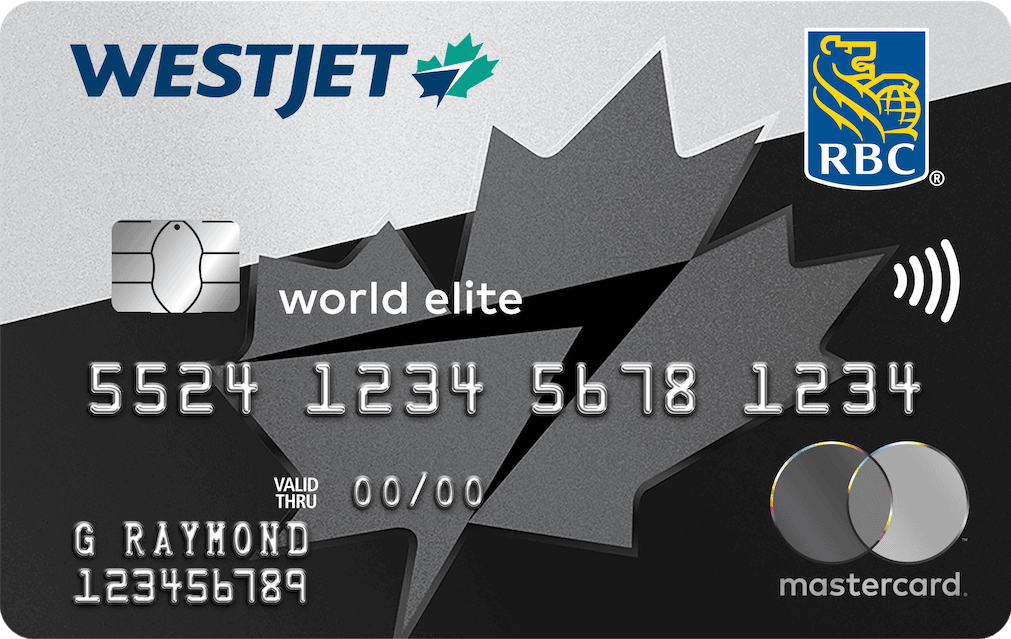
In recent years, WestJet has adapted its strategy to focus on Alberta, which enhances the relevance of the WestJet RBC World Elite Mastercard. Once known for its widespread coverage across Canada, WestJet now functions more like a niche airline—ideal if its routes align with your travel needs, less so otherwise.
The card provides 2 WestJet points for every dollar spent on WestJet, vacations, groceries, and gas, while other purchases earn 1.5 points each.
Significantly, this card delivers unique advantages for WestJet travelers. The primary cardholder and any accompanying guests on the same itinerary receive their first checked bag for free, providing substantial savings for families or groups. Additionally, an annual companion voucher allows a travel partner to enjoy a reduced fare when flying alongside you, which can lead to substantial yearly savings for many travelers.
Eligibility: Minimum personal income of $80,000 or a household income of $150,000 is required.
Welcome bonus: Generally up to 45,000 WestJet points.
Best travel card for hotel accommodations
Marriott Bonvoy American Express Card
- $120 annual fee
- 55,000 Marriott Bonvoy points upon charging $3,000 in the first 3 months (via referral link)
- Earn 5 Marriott Bonvoy points for every $1 at participating Marriott properties
- Earn 2 points per dollar on all other purchases
- Annual free night certificate valued at up to 35,000 points
- MESSAGE ME FOR A REFERRAL LINK
Thus far, this list has concentrated on airline rewards. However, many travelers prioritize saving on hotels or seeking complimentary nights. This is where the Marriott Bonvoy American Express Card excels—offering access to more than 8,500 properties across over 130 countries with redeemable points.
Accruing 5 Marriott Bonvoy points per $1 spent at Marriott locations and 2 points elsewhere provides a commendable value. Considering Marriott points are generally worth about 0.7 cents, the return on investment is solid.
This card should appeal to all travelers; its standout benefit is an annual free night certificate valued up to 35,000 points. This alone can easily exceed $245, far outpacing the $120 annual cost. Furthermore, cardholders automatically achieve Silver Elite status, which grants late check-out and a 10% points bonus on stays, complemented by some built-in travel insurance.
Eligibility: No specific income requirement, though a credit score of at least 700 is advisable.
Welcome bonus: Typically between 50,000 and 75,000 Marriott Bonvoy points after spending $3,000 in the first 3 months.
Best travel card with no annual fee
CIBC Aeroplan Visa Card
- No annual fee
- 2,500 Aeroplan points for your first purchase
- 2,500 points after spending $1,500 in the first 4 months
- 5,000 points after $10,000 spent in the first 12 months
- 1 Aeroplan point per $1 on gas, groceries, and Air Canada purchases
- 1 Aeroplan point for every $1.50 on all other purchases
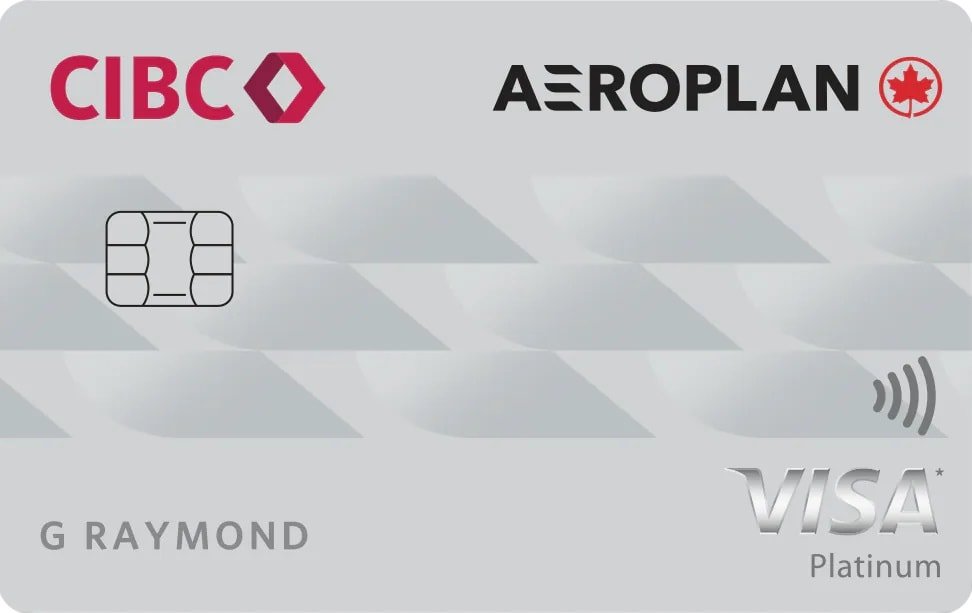
While many of the best travel credit cards in Canada come with associated fees, the CIBC Aeroplan Visa Card stands out as an exception. It grants 1 Aeroplan point for every dollar on gas, groceries, and Air Canada spending, and 1 point per $1.50 on every other eligible purchase.
As a no-fee card, its primary benefits include purchase security and extended warranty. The purchase security protects your transactions against loss, theft, and damage for 90 days, while the extended warranty doubles the manufacturer’s coverage by one additional year.
Eligibility: Minimum income of $15,000; a credit score of around 640 is recommended.
Welcome bonus: Typically 10,000 Aeroplan points following your first purchase.
Top travel card free of foreign transaction fees
EQ Bank Card

- $20 referral bonus (must fund account with $100 within 30 days)
- No monthly fees
- 0.5% cashback on all purchases
- Free ATM withdrawals across Canada
- No foreign transaction fees
- Earn 2.50% interest until you spend
I have examined numerous no-foreign-transaction-fee credit cards in Canada, yet the EQ Bank Card remains my top recommendation. As a prepaid card, you must load funds before use from your EQ Bank account or via e-transfer. Once loaded, purchases in currencies other than Canadian dollars do not incur the common 2.5% fee.
What truly distinguishes this card is its management of ATM withdrawals. You will not pay any foreign transaction fees when withdrawing cash abroad, unlike most prominent banks that apply a 3.5% fee. There might still be a one-time fee imposed by the ATM operator; however, EQ Bank does not add additional charges. Furthermore, if you make an ATM withdrawal within Canada, EQ Bank will fully reimburse those fees.
For day-to-day expenditures, you receive 0.5% cashback on qualified purchases, and your loaded funds will continue to accrue interest until spent.
Eligibility: An EQ Bank account is necessary, with no income or credit checks required.
Welcome bonus: You earn a $20 cash bonus when signing up through a referral link and funding your account with $100 within 30 days of registration.
What are Canada’s leading travel credit card loyalty programs?
The travel rewards programs provided by Canadian banks vary widely regarding points redemption and value delivery. The following represent the most reliable options available to Canadian credit cardholders.
Amex Membership Rewards
The Membership Rewards program from American Express is notable for its flexibility, allowing points transfer to numerous airline and hotel loyalty programs, including Aeroplan and Marriott Bonvoy. This flexibility can help you maximize value when booking premium travel.
Additionally, there are various redemption options. You can directly apply your Membership Rewards points toward any travel expenses on your statement, and the Fixed Points Travel program provides set redemption values.
These diverse redemption avenues offer versatility, ensuring you aren’t constrained to a single method—allowing you to extract substantial value, irrespective of the situation.
Avion Rewards from RBC
RBC’s Avion Rewards program presents multiple ways to utilize your points. The fixed travel program permits point redemption at established rates for flights and additional travel arrangements, while booking via their travel portal offers even more flexibility.
Avion Rewards also includes transfer partnerships with WestJet and British Airways, providing access to Avios, which can be highly beneficial for certain journeys. This flexibility is an asset compared to standard portal bookings.
Your RBC Avion points offer decent usability, albeit with fewer transfer options than some competitors. This program suits individuals who prefer unambiguous redemptions or frequently fly their partner airlines.
Scene+
Scene+ is a collaborative loyalty program with advantageous earning rates. Many credit cards within this program allow for accelerated point accumulation on daily expenditures. Additionally, it’s possible to earn extra Scene+ points via various retail and entertainment partners.
For travel rewards, you primarily have two pathways. You can book flights, hotels, and other travel through their portal or redeem points against self-booked travels.
Key Scene+ Features:
- Minimum redemption requirement of 50,000 points for independently booked travel
- High earning potential through affiliated credit cards
- Multiple partners for collecting bonus points
- Straightforward redemption structure
The program’s primary strength lies in its earning potential rather than intricate transfer partnerships. Those spending in categories with high Scene+ earning rates can swiftly accumulate points. Be mindful that the 50,000-point threshold for independent travel requires some accumulation time.
Leading Frequent Flyer Programs in Canada
Selecting the right frequent flyer program is largely determined by your travel habits and preferred airlines. Canada boasts three main programs worth examining. Enrollment occurs automatically with the application for a co-branded credit card, or you may provide an existing membership number during signup.
Aeroplan
Aeroplan is recognized as a highly adaptable program for Canadian travelers, offering straightforward points earning and redemption processes, with many credit cards providing Aeroplan earning capabilities.
Several co-branded cards come with valuable features:
- Coverage for various travel-related contingencies
- Waived baggage fees on qualifying flights
- Annual fee waivers under specified conditions
The redemption process is flexible, allowing points use for any available seat on Air Canada flights. The program employs dynamic pricing, leading to variable point requirements based on demand and availability, though partnerships with various airlines maintain fixed redemption costs for certain routes, offering predictable value.
WestJet Rewards
WestJet Rewards functions as the airline loyalty program for Canada’s second-largest carrier. While it is relatively straightforward and does not equate to Aeroplan’s value level, it is characterized by the absence of dynamic pricing with reward bookings.
VIPorter
Porter Airlines operates the VIPorter frequent flyer program aimed at travelers who frequently fly on Porter’s routes throughout Canada and select international destinations.
VIPorter allows members to earn points based on the fare they pay rather than the distance traveled. The program boasts multiple membership tiers, with elevated levels offering more benefits. Points can be redeemed for flights, upgrades, and various travel-related expenses.
This program serves frequent Porter clients well, particularly those traveling between Toronto and major cities in Canada. However, since Porter’s route network is narrower compared to Air Canada or WestJet, this option is best suited for specific travel habits. The airline’s emphasis on regional routes and selective destinations renders VIPorter particularly beneficial for those whose travels align with its offerings.
How to Evaluate the Value of Travel Credit Card Points
Understanding the value of points allows you to make smarter redemption choices. Generally, travel rewards programs ascribe a fixed worth to their points, simplifying calculations.
For airline and hotel loyalty programs, the formula for determining value varies based on your redemption choice.
Formula: (Cash price of redemption – taxes and fees) × 100 ÷ number of points required = Cost per point
Consider the following example:
| Item | Details |
|---|---|
| Flight route | Toronto to Los Angeles (roundtrip) |
| Points required | 29,000 Aeroplan points |
| Cash cost | $650 |
| Taxes and fees | $81 |
Using the formula: ($650 – $81) × 100 ÷ 29,000 = 1.96 cents per point
Utilize this formula before redeeming your points to assess whether you’re receiving favorable value. Compare your result against typical redemption rates within your specific rewards program to ensure you are maximizing the advantages of your accumulated points rather than settling for less valuable redemptions.
How to Choose a Travel Rewards Credit Card
Selecting the optimal travel rewards credit card necessitates thoughtful consideration of essential factors. The best card for you relies on your spending habits, travel preferences, and financial objectives.
Your Goals
Consider your specific travel ambitions before selecting a card. If you intend to redeem points for premium cabin flights through Aeroplan or require accommodations at particular hotel chains, you should opt for a card that accrues points aligned with those programs.
American Express offers cards that allow point transfers across various loyalty programs, providing you with opportunities for both airline and hotel redemptions. If you’re traveling with a partner, coordinate your points-earning efforts to pool rewards. Referral programs can increase your points balance by introducing others to your selected card.
Welcome Bonus
Initial signup bonuses are among the quickest methods to earn rewards. A welcome offer can provide a considerable boost to your first-year value and expedite your path to redemption.
Be sure to investigate the spending requirements for each offer. Some cards incentivize bonuses after a single purchase, while others may require $3,000 to $5,000 within 90 days of approval. Timing your application around significant expenses can help you naturally meet thresholds.
Annual Cost
Pay close attention to the annual fee, especially if you plan to hold multiple cards. Cards offering first-year fee waivers present an opportunity to test the program without immediate cost implications.
For higher-fee cards, calculate whether the accompanying perks and welcome bonuses justify the expenditure. Cards with premium features often deliver compensatory benefits that surpass their fees if utilized effectively.
Points Accumulation
Evaluate how many points you will gain across various spending categories. Cards with amplified earnings for travel, dining, groceries, or fuel can accelerate rewards if these categories align with your spending patterns.
Consider both category-specific rates and base rates for general purchases. A card that excels in bonus categories but has a lackluster base rate may not be ideal for you if most of your transactions occur outside those categories.
Redemption Options
The worth of your points heavily relies on their usability. Programs that offer flexible redemption methods allow you to book through various channels or transfer to multiple partners, potentially maximizing your points’ value.
Co-branded cards connected to specific airlines or hotels can provide significant value, though they may limit your options. Before making a commitment, investigate the availability of awards, blackout periods, and redemption fees. Having a large points balance means little if you can’t book trips that meet your needs.
Additional Benefits
Beyond point accumulation, assess the additional features associated with each card. Frequent travelers could benefit from complimentary checked baggage, priority boarding, and access to airport lounges.
Cards with no foreign transaction fees help reduce costs on international purchases. Various forms of travel insurance coverage, purchase protection, and concierge services enhance value, often eclipsing the annual fee. Premium cards typically bundle more extensive benefits for travelers capable of fully utilizing them.
Frequently Asked Questions
What are the leading travel credit cards for Canadians?
The American Express Cobalt Card is particularly noteworthy for its 5x points on food and drinks, making it exceptional for everyday purchases. Meanwhile, the Scotiabank Gold American Express Card emphasizes robust travel insurance and eliminates foreign transaction fees, presenting significant value for international travelers.
The TD Aeroplan Visa Infinite Card yields strong accrual rates for Air Canada purchases and provides priority boarding access. For added flexibility, cards linked to transferable points programs like American Express Membership Rewards enable point transfers to numerous airline and hotel partners.
Premium cards such as the American Express Platinum Card offer extensive benefits including access to lounges, while cards like the CIBC Aventura Visa Infinite Card balance rewards with sensible annual fees.
How do introductory bonuses differ among leading travel cards, and what purchases qualify for eligibility?
Welcome bonuses can vary from 10,000 to 150,000 points depending on the card tier. Entry-level cards usually require minimum spending of $1,000 to $3,000 within the first three months to unlock their bonuses.
Premium cards typically set higher spending thresholds, with requirements ranging from $6,000 to $10,000 within the first few months to access the full welcome offers. Certain cards may refine bonuses into tiers, releasing points as spending milestones are achieved.
The value of these bonuses fluctuates based on the rewards program. For instance, a 60,000-point bonus within the flexible Membership Rewards tends to provide greater value than a similar quantity in a rigid value system.
When should you consider paying an annual fee for travel perks versus selecting a no-fee alternative?
Annual fees ranging from $120 to $799 are justifiable if you regularly leverage the benefits provided. Premium cards can validate their expenses through airport lounge access, thorough travel insurance, and annual travel credits that mitigate the fee.
Evaluate whether perks such as Priority Pass access, elite hotel status, and concierge services will be beneficial to you. If you often spend on travel categories that allow for bonus point earnings, the accelerated earning outweighs the annual expense.
Cards without fees are more suited for occasional travelers who may not fully leverage premium perks. These cards still yield points on purchases but typically feature lower earnings and less insurance coverage. Your break-even point depends largely on your annual travel frequency and spending habits.
Which cards offer exceptional airport lounge access and travel protections?
The American Express Platinum Card provides the most extensive lounge access, featuring Priority Pass, Centurion Lounges, and Plaza Premium locations. Cardholders can enjoy unlimited visits for themselves and often one guest per airport visit.
Regarding travel insurance, both the Scotiabank Gold American Express Card and the TD Aeroplan Visa Infinite Card deliver comprehensive coverage packages that incorporate trip cancellation insurance, baggage loss protection, medical emergency coverage, and rental car insurance.
Premium cards usually come with higher coverage ceilings, sometimes peaking at $5 million for medical emergencies. Review policy specifics for coverage timeframes, usually ranging from 15 to 60 days for each trip, along with any age restrictions that may apply.
How do foreign exchange fees impact your travel card’s value on international transactions?
Standard credit cards typically impose 2.5% foreign transaction fees on purchases made in currencies other than Canadian dollars. This fee applies to conversions, thereby diminishing the value of any rewards earned on those transactions.
Cards that do not charge foreign transaction fees eliminate this expense on every foreign purchase. If you spend $5,000 overseas each year, omitting this fee potentially saves you $125, without even factoring in rewards earned.
Beyond explicit fees, issuers use varying exchange rates for currency conversion. The differences tend to be minor, but no-fee cards alleviate the most significant cost factor for international spending.