
In recent years, travel expenses in Japan have surged notably, primarily due to inflation and heightened tourism activity as the country reopened following pandemic restrictions. Although the yen has depreciated against several currencies, travelers have not seen a decrease in their overall costs, as accommodation rates and other travel-related expenses have increased in response to a growing influx of international visitors.
The silver lining is that Japan remains a feasible travel destination if approached with realistic expectations. While airfare is likely to be your most significant expenditure, various lodging options and budget-friendly dining experiences are available across the nation. Instead of striving to travel on an unrealistic budget, aim for a sensible spending plan that allows you to enjoy your experience in Japan without overspending.
Airfare
Flying to Japan from Canada generally costs between $800 and $1,500 for a round-trip ticket. Off-peak months such as January can offer lower fares, averaging around $848, while December is often the priciest time to book with rates around $1,703.
Booking your flight early tends to yield better deals, and some travelers have recently secured round-trip fares as low as $500. The final price depends on several variables including your departure city, the airline chosen, any stopovers, and your travel dates.
The Importance of Airport Choice
Tokyo features two primary international airports. Haneda is closer to the city center, while Narita is situated about 60 minutes away by train. When possible, opt for Haneda for convenience, though many international flights may only be available at Narita.
Kansai International Airport (KIX), located near Osaka, is another significant hub for international flights, with direct train connections to Kyoto. Many travelers prefer to fly into Tokyo and depart from Kansai to avoid retracing their steps.
Accommodations in Japan
Japan presents a wide array of lodging options to cater to various budgets and preferences. You should budget around $200 per night for standard accommodations. Space can be limited in most Japanese hotels, which generally offer compact rooms. While North American hotels may provide two queen beds, typical rooms in Japan usually come with twin or single beds. Families of four will generally need to reserve two separate rooms, although a few family-oriented hotels have emerged recently.
Hostels
Dormitory-style accommodations are the most budget-friendly choice for travelers, with nightly fees ranging from $40 to $60. Expect higher prices in Tokyo compared to cities like Kyoto or other regions.
This shared accommodation model fosters cost savings while offering essential amenities and opportunities to connect with fellow travelers.
Recommended hostels in Japan:
- Book and Bed Tokyo (Tokyo)
- Gojo Guesthouse (Kyoto/Kansai)
- WeBase Hiroshima (Hiroshima)
Capsule Hotels
These small sleeping pods have transitioned from a novelty to a mainstream lodging option. Each pod features essential amenities efficiently arranged within a limited space. Expect to pay between $30 and $75 per person per night.
Prices can rival or exceed those of hostels, making it crucial to compare options before booking.
Recommended capsule hotels in Japan:
- Shinjuku Kuyakusho-mae Capsule Hotel (Tokyo)
- Sauna & Capsule Hotel Rumor Plaza (Kyoto)
- Capsule Hotel Cube Hiroshima (Hiroshima)
Mid-range Hotels
Standard hotel prices hover around $150 per night. Substantial savings can be found by opting for smaller hotel chains or locations outside major tourist zones. Japan’s excellent public transport system also makes it convenient to stay further from city centres.
Recommended mid-range hotels in Japan:
- Odakyu Hotel Century Southern Tower (Tokyo)
- Ibis Styles Kyoto Station (Kyoto)
- RIHGA Royal Hotel Hiroshima (Hiroshima)
Luxury Hotels
International hotel brands abound in major cities for travelers seeking premium accommodations. Prices usually start at $400 per night, with higher rates for premium rooms and suites.
Establishments like the Hyatt Regency Kyoto provide polished services and amenities synonymous with leading luxury hotel brands.
Recommended luxury hotels in Japan:
- The Ritz-Carlton (Tokyo)
- Four Seasons Hotel (Kyoto)
- Sheraton Grand Hiroshima Hotel (Hiroshima)
Traditional Japanese Inns (Ryokans)
Traditional ryokans offer an authentic cultural experience, featuring tatami mat rooms and Japanese-style bedding. While many facilities have shared bathing and restroom areas, some do provide private amenities. Prices vary based on location and offered services, generally ranging from $80 to $200 per night.
Rates are usually charged per person, not per room, and many properties include simple meals such as rice and vegetables.
Recommended ryokans in Japan:
- Kimi Ryokan (Tokyo)
- Ebisu Ryokan (Kyoto)
- Sansui Ryokan (Hiroshima)
Vacation Rentals
Japan has regulations that limit short-term rental options, requiring property owners to obtain proper licenses. While platforms like Airbnb operate in Japan, it’s crucial to ensure listings comply with local laws. Requests for avoiding contact with neighbors should raise red flags.
Licensed vacation rentals or hotel rooms with kitchenettes can be excellent alternatives, especially for groups or families needing extra space. Prices can fluctuate widely based on location, size, and amenities.
Recommended apartments in Japan:
- Akihabara Luxury Cityhouse (Tokyo)
- Citadines Shinjuku Tokyo (Tokyo)
Local Transportation
Japan boasts one of the world’s top public transportation networks. The abundance of options can confuse tourists, making it imperative to review your choices and select those that best suit your travel itinerary.
City Trains and Buses
Urban transportation in Japan operates through multiple private companies. Most surface rail lines fall under JR, while various operators manage subway systems. Passengers typically need to pay each operator separately unless they possess a specific pass.
Prepaid IC cards such as Suica, Pasmo, and ICOCA facilitate payments across transit systems and work interchangeably across major urban areas. These cards can be tapped at ticket gates and reloaded at station machines. They are also accepted at many convenience stores, vending machines, and restaurants.
City transit fares are distance-based and competitively priced. A standard subway ride usually costs between 170 and 320 yen, with buses charging flat rates within urban centers. While taxis are available, they are significantly more expensive than public transport.
JR National Pass
The JR Pass provides unlimited access to Japan Rail trains, including the majority of Shinkansen bullet trains, for consecutive periods of 7, 14, or 21 days. Recent hikes in prices have diminished the pass’s value compared to earlier years.
The 7-day pass makes financial sense for return trips between Tokyo and Hiroshima or similar distances. For shorter journeys or slower travel schedules, individual tickets may often be cheaper than the pass itself.
The 14-day and 21-day passes are rarely cost-efficient unless you frequently travel between far-off cities. Plan your routes in advance to ascertain if the pass will save you money.
Area Transit Passes
Numerous cities and regions offer their own transport passes, which can be more cost-effective than the JR Pass for localized travel. In Kyoto, for instance, passes are available for the Raku bus network, connecting major tourist hotspots. These passes generally allow unlimited rides within a designated area for one or several days.
Certain regions offer combination passes that include intercity travel along with local transport. Examples include the Hakone Free Pass and Koyasan World Heritage Ticket, which comprise both inter-city transportation and unlimited local travel. Research available passes for your destinations before your arrival.
Main train stations have service desks where English-speaking staff can assist in explaining pass options and help you select the most suitable tickets. Bring your travel details for accurate recommendations.
Dining and Drinks
Dining in Japan can be budget-friendly, though prices vary based on your choices. A reasonable daily budget of around $55 covers breakfast at $8, lunch at $17, and dinner at $30. You may find yourself snacking frequently, as street food and vending machines abound.
Many places offer breakfast, often a simple meal to kickstart your day. Bakeries sell fresh buns for about $2, perfect for quick morning bites or snacks throughout the day. Convenience stores carry surprisingly tasty options like bento boxes and sandwiches for under $5.
A solid bowl of ramen can set you back around $15, making it a fulfilling meal at any time of the day.
Affordable Dining Choices
You can enjoy authentic ramen, curry, udon, or soba at popular chains for less than $10. Fast-food meals typically run around $10. These options allow you to savor Japanese cuisine without overspending.
Regional Delicacies
Various regions boast unique local specialties worth sampling. Kyoto is famous for its matcha treats, while Hiroshima is renowned for okonomiyaki—savory pancakes. From fresh sushi to Kobe beef and takoyaki, there’s a wealth of culinary experiences to explore throughout the nation.
Dinner Experiences
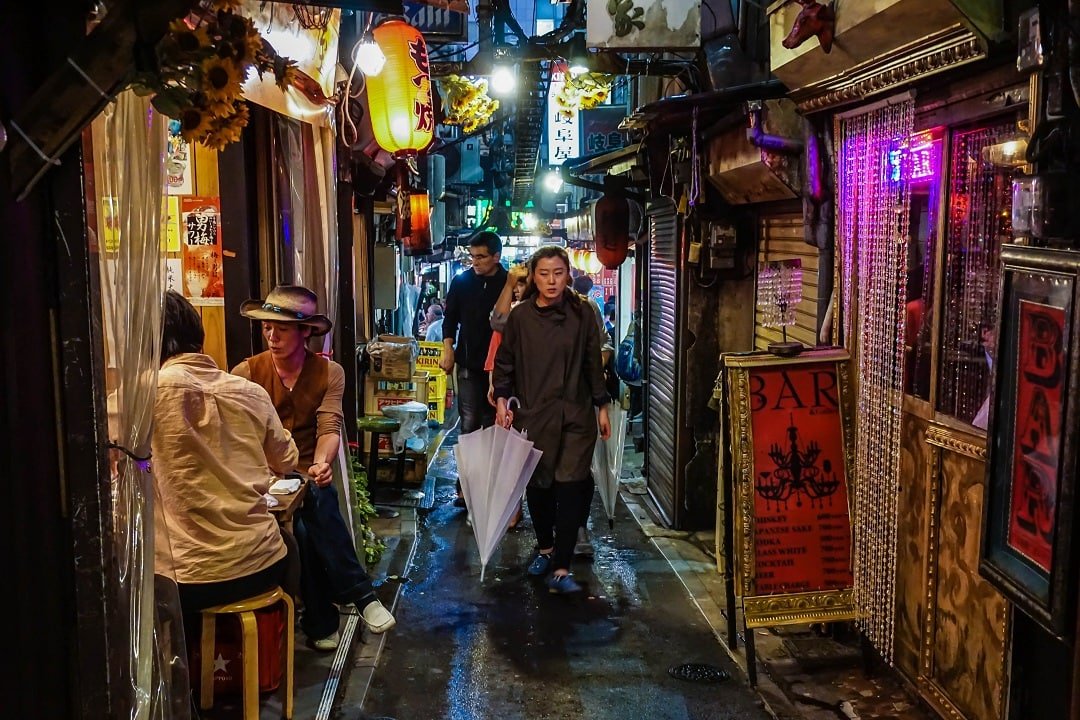
Izakayas provide a fantastic opportunity to sample a variety of dishes at reasonable prices. These casual Japanese bars serve affordable small plates alongside beer and sake, both of which are fairly priced across the country. Major cities are also quite diverse, making it easy to find international cuisine.
Keep in mind that tipping is not customary in Japan, and displayed prices include taxes. This transparency simplifies budgeting as the price you see is what you will pay. Whether grabbing a quick snack or dining in, quality and authenticity are available at all price points.
Attractions
Japan offers a wide range of complimentary sites to explore, while entry fees for paid experiences can take a chunk out of your travel budget. Religious sites generally charge a few hundred yen for entry, while museums typically ask for slightly higher fees. However, prices can rise sharply for sumo wrestling matches or entry to entertainment complexes.
Major theme parks such as Universal Studios Japan and Tokyo Disneyland can significantly impact your budget, sometimes costing several hundred dollars. While Japanese theme parks remain competitively priced compared to their international counterparts, observation deck fees can feel steep.
Purchasing tickets in advance enables you to avoid long lines, especially during peak seasons like cherry blossom time when crowds swell.
Consider booking tickets early for the following attractions:
- Tokyo Skytree
- Tokyo Sanrio Puroland
- Legoland
- Osaka Castle
- Tokyo National Museum
- Mt. Fuji and Hakone Day trip from Tokyo
- Go-karting in Akihabara, Tokyo
- Owl Cafe Akiba Fukurou
Your attraction expenses heavily depend on your itinerary. If theme parks are not on your agenda, budget around $200 for various paid sites. Including two major parks may raise your budget to approximately $350.
Entrance fees for standard museums and historical locations tend to range from $5 to $20, making cultural exploration relatively affordable when spread over the duration of your trip.
Miscellaneous Expenses
This category is often overlooked when budgeting but accounts for a significant portion of overall expenses. Souvenir shopping, gifts for loved ones, or personal purchases accumulate naturally while traveling. Setting aside about $400 for miscellaneous expenses can adequately cover these unplanned purchases.
Japan’s shopping experience is unique, offering products and merchandise that are often unavailable elsewhere, enticing travelers to make impulsive buys despite their practical value back home.
Noteworthy shopping destinations include:
- Official brand stores for gaming companies
- Shops featuring character-themed merchandise
- Specialized retail establishments
You may also encounter distinctive themed venues like cosplay cafes, anime-themed locations, or animal interaction cafes. These experiences often carry costs beyond standard dining. Allocating funds for spontaneous purchases ensures you can indulge in Japan’s unique retail culture without financial strain.
Concluding Thoughts
When organizing your trip, anticipate budgeting around $6,000 for a two-week stay to fully enjoy what Japan has to offer. Insufficient financial planning may result in missed opportunities for memorable activities and attractions.
Understanding the various expenses associated with traveling in Japan—from lodging and transportation to food and entertainment—enables you to make informed decisions during your journey. Consider researching additional cost-saving strategies prior to departure to maximize your budget.
For further inspiration, check out my guides on Hong Kong, Vietnam, Southeast Asia, and Malaysia.
Frequently Asked Questions
What budget should you allocate for a 14-day trip to Japan?
The budget for a two-week journey in Japan is heavily influenced by your spending habits. For solo travelers on a modest budget, plan for around $4,000 to $5,000, covering basic hostels, inexpensive meals, and standard transport.
Couples should expect to allocate $7,000 to $8,500 for the same duration, while families of four can anticipate needing between $10,000 and $12,000, due to larger lodging needs and additional meal expenses.
Daily expenditures typically average $150 to $400 per individual. Budget travelers can manage with about $150 to $200 daily by choosing hostels and casual dining. Mid-range travelers may spend $250 to $350 daily for comfortable hotels and varied meal experiences.
What can you expect to pay for accommodations in Japan’s major cities?
The cost of lodging varies greatly in Japan’s urban centers. You’ll find dormitory beds in hostels starting at around $50 per night, while private rooms in budget options typically range from $80 nightly.
Mid-range hotels in cities like Tokyo, Osaka, and Kyoto usually charge between $150 and $200 for a standard double room, often featuring essential amenities and convenient access to public transport.
High-end hotels and ryokans (traditional inns) often start at $200 per night and could surpass $500. The average daily accommodation cost for two people hovers around $200, although this fluctuates with location and season. Expect to pay a premium during peak travel times like cherry blossom season and autumn foliage viewing.
How much will you spend daily on food while in Japan?
Your food budget in Japan varies according to your dining preferences. Budget travelers can enjoy meals for around $25 to $40 per day by opting for convenience store items, casual ramen shops, and standing sushi bars.
Mid-range dining typically runs $50 to $80 per day, accommodating restaurant lunches, sit-down dinners, and occasional café stops. You can find quality meals at casual joints for $8 to $15 during lunch and $15 to $30 during dinner.
High-end dining experiences may raise your daily budget to $100 or more. On average, anticipate spending about $150 per person per day on all meals, snacks, beverages, and occasional treats. Convenience stores provide great value, with freshly prepared meals often costing less than $8.
What transportation costs should you plan for during your time in Japan?
Transportation expenses hinge on your travel routes and distances. Local transportation in cities generally averages $10 to $15 per person daily for subway and bus fares. Single subway trips usually cost between $2 and $4.
For inter-city travel, several options are available:
Japan Rail Pass (JR Pass)
- 7-day pass: approximately $280 to $310
- 14-day pass: approximately $450 to $500
- 21-day pass: approximately $580 to $640
Bullet train tickets are generally high-cost. A one-way trip from Tokyo to Kyoto runs around $130, while a one-way trip from Tokyo to Osaka costs about $140. The JR Pass is beneficial if you plan multiple long-distance travels.
For two travelers, daily transportation costs average about $30 per person, increasing for longer trips. Taxis are expensive, with base fares beginning at $7 and escalating quickly in urban locations.
How can you reduce travel expenses in Japan?
Implementing smart strategies can effectively lower your travel costs in Japan without compromising your experience. If you plan numerous intercity trips, obtaining a JR Pass before traveling can significantly reduce bullet train fares.
Consider staying in hostels, guesthouses, or capsule hotels over traditional accommodations, as these provide clean, comfortable lodging at lower prices. For extended stays, think about opting for vacation rentals featuring kitchen facilities, allowing for self-catered meals.
Emulate local dining habits by frequenting convenience stores, supermarkets, and informal eateries. Lunch menus at restaurants tend to be cheaper than dinner options while still maintaining quality. Seek out temples and parks; many of them charge minimal or no entrance fees yet offer remarkable experiences.
Travel during shoulder seasons (March to early April, late May to June, or September to November, avoiding peak autumn) for better rates on accommodation and fewer tourists. Utilize prepaid IC cards like Suica or Pasmo for convenient local transport and small discounts. Many cities provide day passes for unlimited subway and bus travel.
Take advantage of tax-exempt shopping at designated stores by showing your passport. Free walking tours in major cities can offer great orientation and cultural insights at no cost.
What visa and entry fees apply for visiting Japan?
Most visitors from Western nations can enter Japan without a visa for tourism. Citizens of Canada, the United States, the United Kingdom, Australia, and most EU countries can stay for up to 90 days without needing a visa, as they receive a temporary visitor status stamp upon arrival, free of charge.
No entry fees or tourist taxes are imposed when entering Japan at airports or seaports. Ensure your passport is valid for the duration of your visit. At immigration, you might be asked about your accommodation and return flight plans.
You’ll need to fill out a customs declaration form, which carries no fee. While it’s rarely verified, proof of onward travel and sufficient funds for your stay is advisable, although not typically checked for short-term tourists from visa-exempt countries.
Visas for those who require them can vary in cost and requirements by nationality. It’s best to contact the Japanese embassy or consulate in your country well in advance to learn about specific requirements and expenses.